
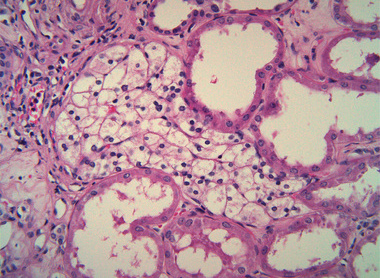
Guidelines and publications
We keep our members up to date with the latest information, guidance and news from the College and across pathology through our range of high-quality publications. These include the Bulletin, annual reports, patient safety bulletins and UK Standards for Microbiology Investigations.
We develop and oversee a comprehensive range of professional guidelines, including clinical guidelines and best practice recommendations. Our commitment encompasses various areas, such as cancer datasets and tissue pathways, autopsy guidelines and laboratory service standards, while also extending to other specialised fields. Catering to both cross-specialty and specialty-specific needs, this dedication underscores our commitment to excellence and extends to active participation in NICE consultations.
The publications in this section are in PDF format, so you might need a PDF Reader to view them.


Publications

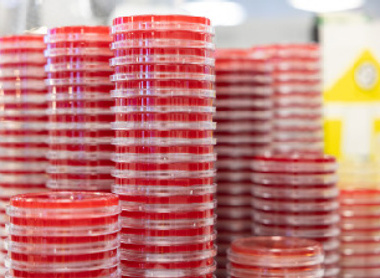
UK Standards for Microbiology Investigations
UK Standards for Microbiology Investigations (UK SMIs) are a comprehensive referenced collection of recommended algorithms and procedures for clinical microbiology.
Consultations listing
Help shape our clinical guidelines, best practice recommendations and curricula.
Annual reports
Our annual reports showcase what we have achieved for our members over the past year.

College Bulletin
The Bulletin is a quarterly professional membership magazine, including articles that are useful and interesting to pathologists and provoking discussion and comment.

Archived and withdrawn documents
View previously published College guidance and best practice recommendation documents.

Patient safety bulletins
Our patient safety bulletins are designed to help members learn from events in other organisations in a quick and simple way to help keep patients safe. They bring together themes across specialties and services.