International Pathology Day round-up: the rise of global antimicrobial resistance
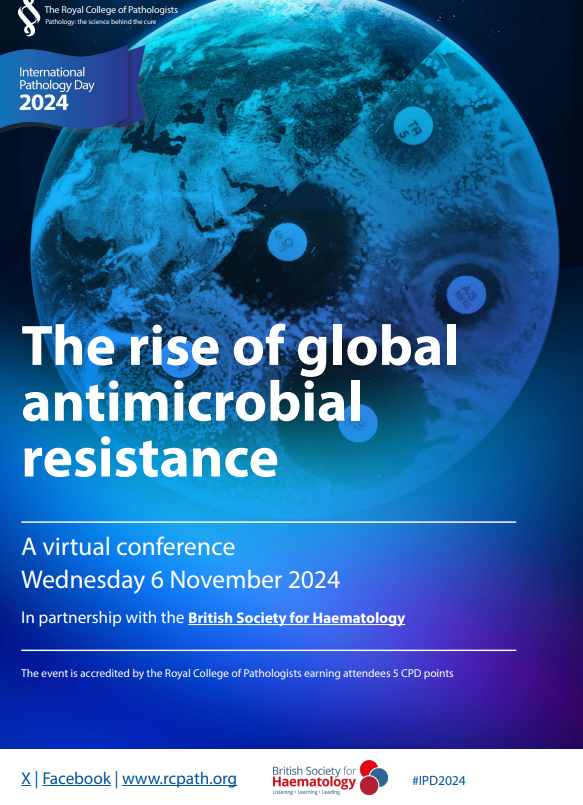
On 6 November 2024, we held our annual virtual conference for International Pathology Day, themed ‘The rise of global antimicrobial resistance’ (AMR), once again in partnership with the British Society for Haematology. The President, Dr Bernie Croal, chaired the event. He welcomed 8 speakers and 4 roundtable panellists from around the globe. Over 100 attendees joined the event from across all the 6 regions in which the College has a presence: the Americas, Europe, the Middle East, Southeast Asia, Sub-Saharan Africa and the Western Pacific.
The talks
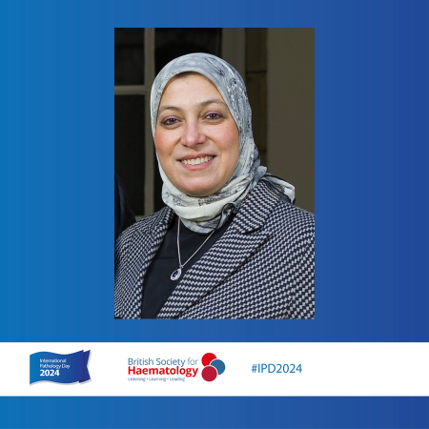
In conversation with Dr Noha El Sakka, Vice President for Communication
Dr Noha El Sakka started by reflecting on the College’s Diamond Jubilee lecture given by Dame Sally Davies in 2022, who spoke about how she had managed to engage the United Nations with the issue of AMR, starting in 2016 with a high-level meeting at the UN General Assembly. A second high-level meeting was held in September 2024 and this was the main focus of the IPD event discussion.
Some of the successes of the UN meeting, included commitments for financing for low- and middle-income countries, and an agreement to establish an independent science panel to advise countries on the evidence base on AMR. Other areas of the discussion considered the roles of the private and public sectors, the importance of animal husbandry and the environment in the fight against AMR, and how can we better engage the public on AMR.
There was also an important and inspiring call to action for pathologists from Dame Sally. Pathologists have an important role to play, both in their daily practice but also in engaging and educating other healthcare workers in the hospital and the community and helping them to identify ways of reducing AMR.
The conversation ended with heartfelt encouragement from Dame Sally, for pathologists to keep up the good work and make a difference together.
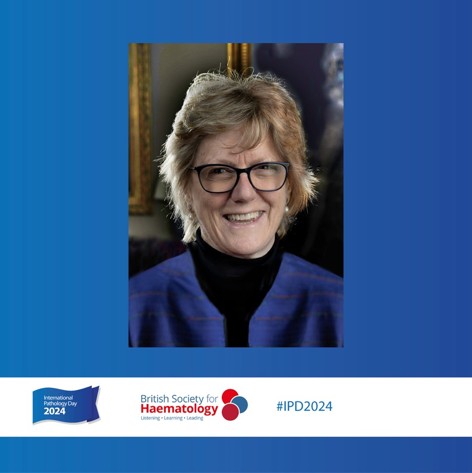
The evolution of antimicrobial resistance with Professor Angharad Davies, Clinical Director of Publishing and Engagement and honorary Consultant Medical Microbiologist
This presentation set the scene for the day’s discussions, by asking when and how AMR first arose, and looking at the mechanisms by which AMR evolves in bacterial pathogens. Professor Davies gave a brief snapshot of the current situation regarding AMR globally, who is most impacted and some of the inequalities which are evident, and some predicted future trends.
The social burden of antimicrobial resistance with Professor Clare Chandler, Medical Anthropologist at the London School of Hygiene and Tropical Medicine
This talk introduced the concept of the social burden of AMR in 4 dimensions. First, the uneven distribution of AMR within human populations, which disproportionately affects the poorest and most vulnerable between and within countries. Second, the unequal burden of AMR experiences, which affect both patients and those who care for them for often extended periods, leading to potentially catastrophic opportunity costs, especially for those without economic and social safety nets.
Third, she discussed societal changes effected by AMR through shifting human–microbial–antimicrobial relationships. Finally, Professor Chandler covered the socially uneven nature of those shouldering the burden of AMR interventions,. Professor Chandler’s talk included a powerful story about a patient in Thailand and his battle with infection due to AMR.
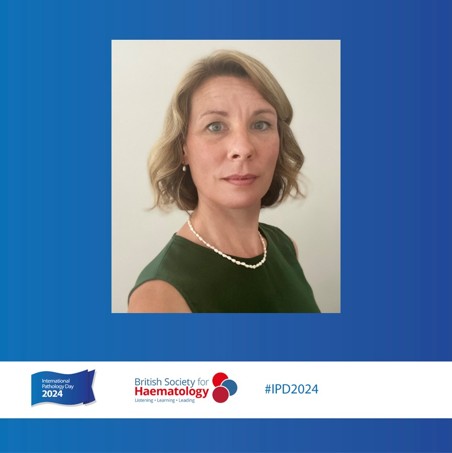
Wastewater surveillance, opportunities and challenges with Dr Wael F Elamin
Dr Elamin began by giving some background on the interesting history of wastewater surveillance, starting with the Victor Hugo’s Les Misérables quote: ‘The sewer is the conscience of the city.’ Wastewater is frequently considered only as is a source of pollution; but, it has the potential also to be an important source of information – as it was for example when wastewater was monitored during the COVID-19 pandemic for surveillance purposes. Dr Elamin asked why we do not do this continuously and in real time, looking for the knowns and unknowns?
Dr Elamin’s talk also conveyed how wastewater can be a source of microorganisms that affect the health of humans, animals and ecosystems. Therefore, wastewater microbiological surveillance can benefit from the One Health approach, acknowledging the interdependence of human, animal and environmental health, and requiring the cooperation of different disciplines and sectors to achieve optimal health outcomes.
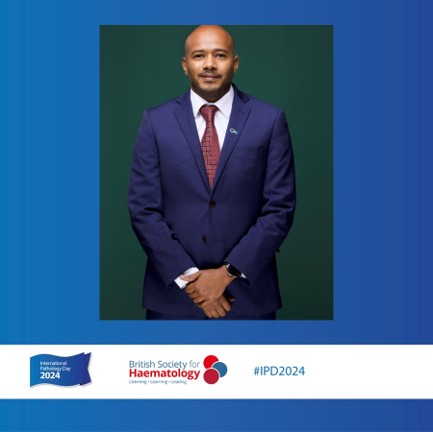
Strategies to reduce infection complications in acute myeloid leukaemia with Dr Justin Loke, CRUK/AACR Transatlantic Fellow, University of Birmingham, UK and Dana-Farber Cancer Institute, USA
Infection remains a major cause of morbidity and mortality in patients with acute myeloid leukaemia (AML). In this talk on behalf of the supportive care subgroup of the UK AML research network, Dr Loke discussed the unique infective challenges faced by this group of patients undergoing treatment, the landscape of innovative trials currently on offer in the UK and future strategies in development to reduce the burden of infective complications.
The College’s position statements on AMR
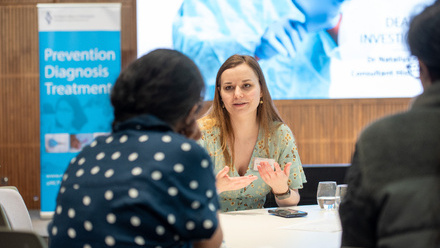
During the lunch time activities, Dr Natasha Ratnaraja, Chair of the Medical Microbiology and Medical Virology Specialty Advisory Committee, and Danny Scarsbrook, College Policy Officer, delivered a talk about the College’s position statements on AMR. They highlighted how medical microbiologists and virologists are at the forefront of tackling AMR, delivering leadership and expertise in antimicrobial stewardship, advising on infection prevention and control, delivering diagnostic services, and contributing to national surveillance systems.
These duties are not without their challenges, however, with workforce shortages and sub-optimal diagnostic capabilities often hindering the ability of clinicians to conduct their work. Considering this, the College has begun to develop a series of position statements on AMR, highlighting key issues faced by clinicians and proposing solutions. These position statements will form the basis for engagement with MPs, government officials, likeminded organisations and the NHS.
Roundtable discussion: Global perspectives on AMR
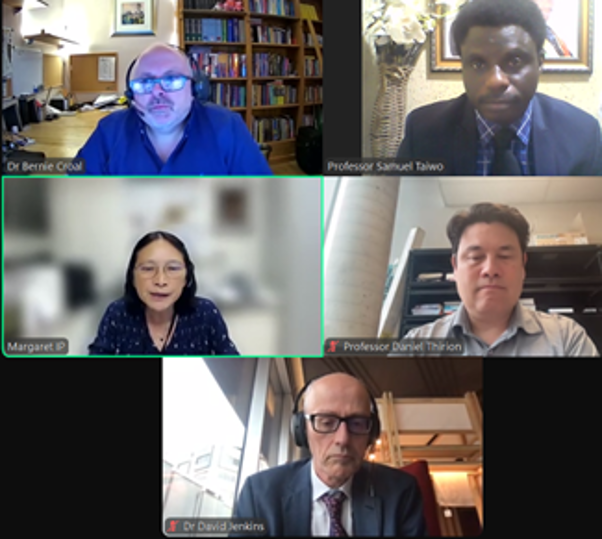
The roundtable discussion chaired by College President, Dr Bernie Croal, focused on global perspectives on AMR, drawing inspiration from the 6-part webinar series that was hosted by the International team last summer. The discussion delved into regional challenges and opportunities, involving shared experiences and global experts.
The speakers in the roundtable were: Dr David Jenkins, consultant in medical microbiology, from the UK; Professor Daniel Thirion, Pharmacist, Université de Montréal, Montreal, Canada and McGill University Health Centre, Canada; Professor Margaret Ip, Faculty of Medicine, Chinese University of Hong Kong; and Professor Samuel Taiwo, Consultant Clinical Microbiologist, Ladoke Akintola University of Technology, Ogbomoso, Nigeria.
The roundtable discussed the prevalence of AMR across different countries and identified the key priorities for addressing this urgent issue. Some of the questions the roundtable panellists discussed included: What is being done well to address concerns about AMR in your region of the world? From a global perspective, what can we learn from each other and what can be highlighted to other countries? Is there any scope for collaboration?
Poster competition
The theme of this year’s competition was ‘Conquering superbugs: Innovations in combating AMR’. A range of research ideas across all specialties was encouraged – from the event’s theme to more general pathology-related works that entrants were proud of and wanted to spotlight.
We received a record breaking 16 entries – the most entries in competition’s 6-year history. Posters were assessed by Professor Tahir Pillay, Clinical Director for International Activities, Dr Natasha Ratnaraja, Chair of the Medical Microbiology and Medical Virology Specialty Advisory Committee, and Dr Jeff Allen, RCPath Lay Advisor.
A huge thank you went to everyone who had taken the time to creatively design a poster for this year’s competition before the 3 winning posters were announced.
In first place: HISTOSCOPE: AI-assisted classification of breast cancer histopathology images, by Samiha Jainab, Natalia Raj, Dr Taufiq Hasan and Dr Farida Arjuman
In second place: Multidrug resistance in Paediatric infections: Problem and possible solutions, by Abhishek Ranganathan and Sanjay Deshpande.
In third place: From mosquito to microscope: A rare case of subcutaneous dirofilariasis in a 13-year-old, by Maria Vidhishia Rebello, Dr Sueallen Lorna D'Souza and Dr Nisha J Marla.
All entries can be viewed on our website.
Undergraduate quiz for National Pathology Week and International Pathology Day 2024
On Wednesday 13 November, we also hosted a pathology-themed online quiz for undergraduates all over the world studying medicine, biomedical science, or similar degrees. Dr Matthew Clarke and Dr Reham Hassan lead teams through 5 fun-filled rounds.
Congratulations to the winning team, Starry Sky Savants from Edinburgh University Medical School: Roshan Pillai, Shun Wen (Dylan) Chew and Nicholas Yip Zhe Wei.
Thank you to everyone that took part.
Acknowledgements
Thank you to the British Society for Haematology for partnering with us again, to all our speakers, poster competition judges, attendees and to DJ Kempat for providing the track that we played during the event’s intervals.
We hope you will join us next year on Wednesday 5 November 2025 as we explore the global pathology workforce. Further details of the virtual event will be available later in the summer. Until then, take care.
Read next