
A medical microbiologist’s experience of providing primary healthcare to the San community in rural Namibia: One Health in practice
Dr Stephanie Thomas reports on her 4-month volunteering experience in rural Namibia, where she helped provide healthcare services, nutritional support and wildlife conservation.
In November 2025, I took a sabbatical from my consultant medical microbiology post in Manchester to volunteer for 4 months in a rural medical clinic in Namibia run by the Naankuse Foundation. ‘N/a'an ku sê’ is a Juǀʼhoan word meaning ‘God will protect us’. Founded by 5th generation Namibians, Dr Rudie van Vuuren, a medical doctor, and his conservationist wife Marlice, a fluent San speaker, the Foundation provides free primary healthcare for the San population of Namibia.
The Kalahari San are indigenous hunter-gatherer peoples of southern Africa and are among the oldest modern human populations on Earth. The San use the ancient click language, famous for its tongue snaps. They are heavily marginalised across southern Africa due to loss of ancestral lands, forced displacement and implementation of criminalised hunting. Many have been moved into government camps, where poverty, alcoholism and communicable (pulmonary TB, gastroenteric illness) and non-communicable disease are common.
One Health
The Naankuse Foundation integrates One Health into its operating model, recognising that human, animal and environmental health are fundamentally linked. This concept is topical in western countries post-COVID-19. Naankuse applies this framework practically and extremely effectively, through 2 main avenues.
Wildlife conservation
The Foundation conducts research to establish an evidence base for mitigating human–wildlife conflict and provides hands-on veterinary care for large carnivores, including routine health checks and animal tracking.
Humanitarian work
In 2003, following the unnecessary death of a San baby from severe malnutrition, Rudie and Marlice set up the Naankuse Lifeline Clinic (LLC) in Epukiro, in Namibia’s rural east. This is where I was based for the duration of my stay. A large focus of the clinic’s work is on tackling the tuberculosis and malnutrition burdens within the San population. This is wonderfully achieved by a small team through clinic-based healthcare, outreach around the region and a nutritional support program. As the clinic doctor, I was involved in each of these activities.
Clinic-based healthcare
The LLC treats more than 3,500 patients annually, more than 40% of whom are children and over 90% of whom are San.
The main burden of infectious disease we treated included conditions such as: pulmonary tuberculosis due to immunosuppression through malnutrition (the HIV burden among the San is low); fungal skin infections from the dry, dusty environment, particularly in children; recurrent gastrointestinal illness due to the lack of clean water availability; and respiratory illness often secondary to campfire cooking. It was back-to-basics medicine for me, as the diagnostics available were extremely limited.
Alongside this, we treated patients with chronic medical conditions such as asthma, hypertension, epilepsy and musculoskeletal injury. This was challenging for me, as my general medical days felt like a lifetime ago.
Outreach
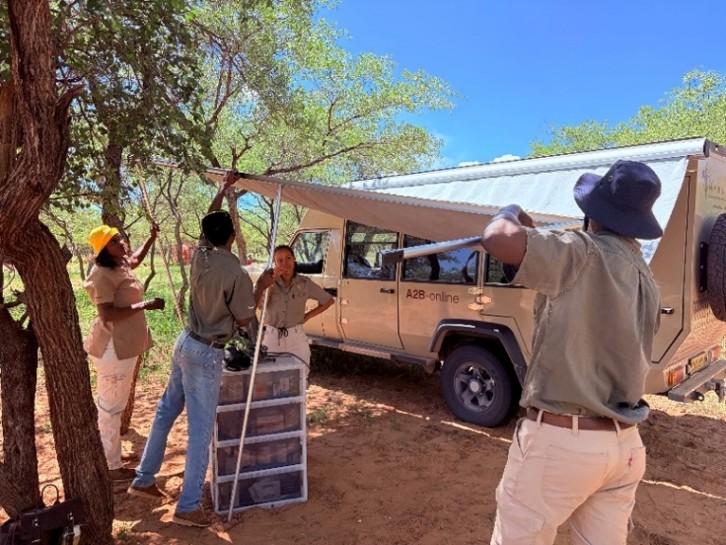
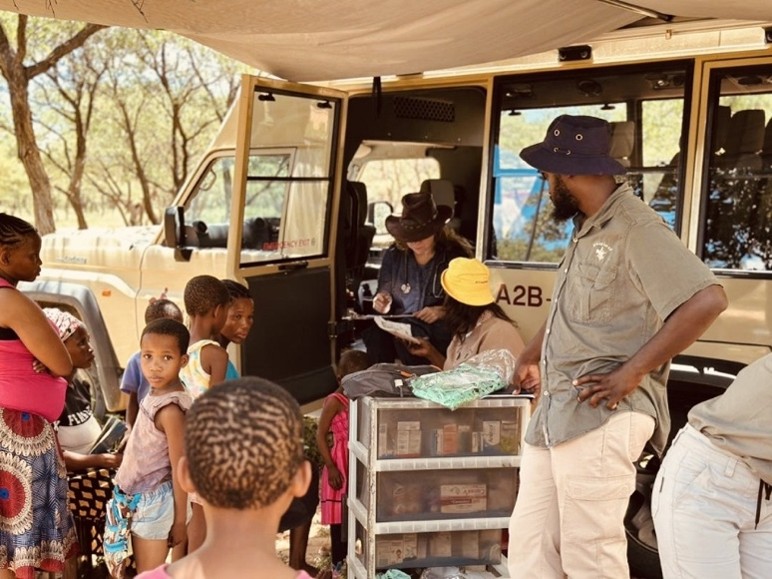
Many San communities are remotely situated and, for them, accessing the clinic is itself a challenging task. The clinic’s 4x4 allowed our team to visit far-flung locations, the weekly outreach sessions taking healthcare to even the remotest communities.
Nutrition support program
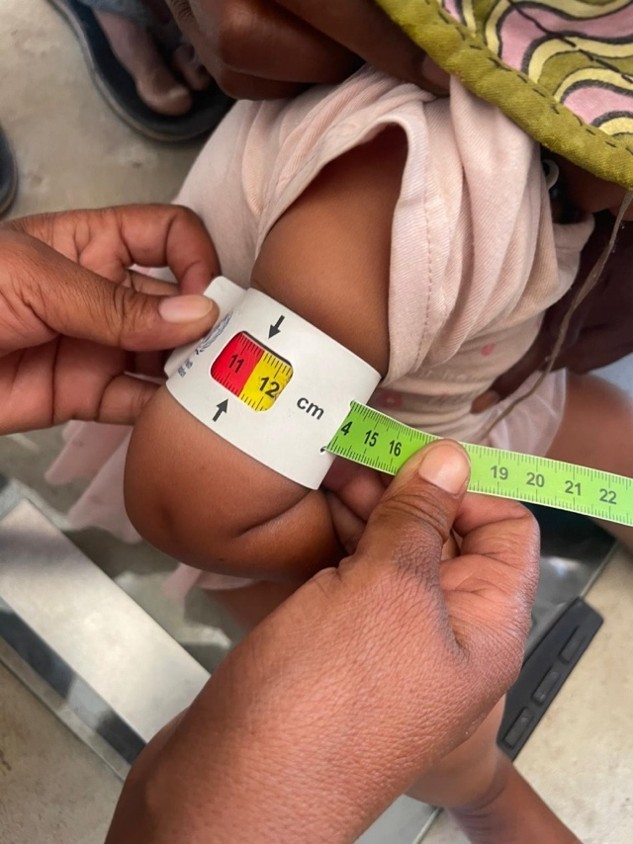
With malnutrition affecting cognitive development in children and causing a variety of ailments including infectious diseases, the clinic’s twice-weekly nutritional support program is a lifeline for the community. Each session is attended by up to 120 people. The clinic team prepares soups and stews using fresh ingredients from the LLC garden and bakes homemade bread. Everyone lends a hand, even if it’s just chopping vegetables (not known for my cooking skills, I picked up quite a few tips!).
The final word
Namibia is affectionally called the ‘land God made in anger’, used to describe the harsh and arid Namib Desert and Skeleton Coast. It is one of the driest and most sparsely populated countries on earth. So, why did I go? 3 times a year, Naankuse partners with the UK-based World Extreme Medicine to host a conservation medicine course for healthcare professionals, linking human medicine with veterinary wildlife care – One Health. As a microbiologist with an interest in public health, I was keen to see how this could work in practice. At the end of the conservation medicine course in June 2025, our group sat around the campfire with Rudie and Marlice, reflecting on an incredible week of shared learning and new friendships. Rudie mentioned that the clinic needed a doctor, and I can still hear his words, “…if any of you can, please go home and think about it. It might just change your life”. The Naankuse LLC relies on volunteer doctors from across the world. I’m not sure what made me think I could do it, but I knew I wanted to help
During my time at the LLC, I encountered some truly heartbreaking clinical situations, including severe malnutrition in children, frustratingly limited access to diagnostics and a sometimes devastatingly inadequate treatment capacity, which made a profound emotional impact on me. However, I was continually inspired by the extraordinary positivity, resilience and sense of purpose that permeated the organisation.
Whether you boast years of medical experience, are a seasoned infection specialist, have an interest in unusual skin rashes, or just a passion for humanitarian work, then journey to Namibia’s rural east and discover the San communities of Epukiro. You will see a sky like you have never seen before and have the privilege of working with one of world’s most ancient cultures.
With grateful thanks to the Executive Team of Stockport NHS Foundation Trust (Part of the Southeast Sector Healthcare Partnership), for supporting my sabbatical.
Further reading
Naankuse Foundation. N/a'an ku sê Humanitarian Projects. Available at: www.naankuse.com/humanitarian
World Extreme Medicine. Conservation Medicine Course. Available at: https://worldextrememedicine.com/extreme-medicine-courses/conservation-medicine-course-namibia/
Suzman J. Affluence Without Abundance: The Disappearing World of the Bushmen. New York, USA: Bloomsbury USA, 2017.

Dr Stephanie Thomas
Read next
Author