
Medical electives scheme
RCPath / specialist society medical elective small grant scheme
The RCPath / specialist society medical elective small grant scheme was a new scheme launched to mark the College’s Diamond Jubilee in 2022.
The scheme is joint funded by RCPath and partner societies from the different disciplines and will offer small grants of value up to £1,000, to help support undergraduate medical and veterinary students who wish to undertake electives in pathology disciplines.
Electives may be clinical or research-based and may be undertaken in any part of the world.
A minimum of £500 must be used for student travel and subsistence with the remaining amount being spent flexibly for project-related costs such as consumables, or for student costs, as appropriate for the project.
Six awards will be made annually:
-
RCPath / Association for Laboratory Medicine elective award: to support an elective relevant to clinical biochemistry
-
RCPath / British Society for Haematology elective award: to support an elective relevant to haematology
-
RCPath / British Society for Immunology elective award: to support an elective relevant to immunology
-
RCPath / British Society for Veterinary Pathology elective award: to support an elective for a veterinary student, in any pathology discipline
-
RCPath / Microbiology Society elective award: to support an elective relevant to infection, microbiology or virology
-
RCPath / Pathological Society of Great Britain and Ireland* elective award: to support an elective relevant to cellular pathology
*In these schemes, the partner society can assist you in finding a short research project and project supervisor, if you so wish. If you would like to take this up, please email PathSoc@rcpath.org to discuss further, at least 2 months before the application deadline.
Terms and conditions
Applications must be submitted in advance of the proposed elective. Awards will not be made for electives already undertaken.
Electives must begin within 1 year of the award announcement.
Applications must be accompanied by letters of support, both from the head of the host department/clinical director of department and from the applicant’s own personal tutor in their medical or veterinary school.
A minimum of £500 must be used for student travel and subsistence with the remaining amount being spent flexibly for project-related costs such as consumables, or for student costs, as appropriate for the project.
Award holders must provide a report to RCPath and to the partner society within 30 days of the end of their elective. The format and length of the report will be consistent with any other existing elective reporting arrangements stipulated by the relevant partner society. If there are no existing elective report arrangements, a 700–1,000-word report must be submitted to both organisations, accompanied by a suitable photograph.
Award holders may be invited to present their elective experience at meetings held by RCPath or partner societies. In that eventuality, expenses incurred would be reimbursed as per standard policies.
Applicants for the following award may, if they wish, request assistance to identify a suitable research project and supervisor in the UK and Ireland:
- RCPath / Pathological Society of Great Britain and Ireland award
In order to take up this opportunity applicants should ensure they contact the relevant society 2 months before the deadline, so they can prepare their application.
Medical Elective scheme reports 2026
Nadia Ajmal’s Medical Elective small grant scheme experience
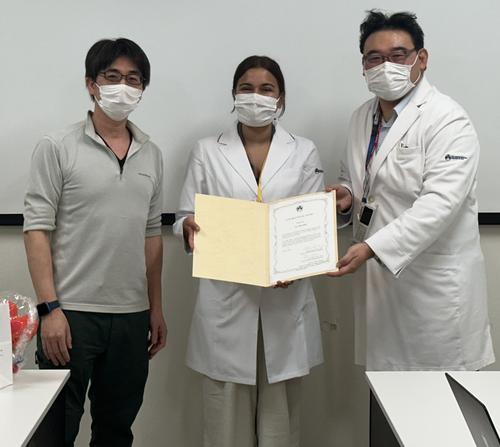
How did you feel about winning the RCPath and the British Society for Immunology Medical Elective small grant scheme?
As a medical student with aspirations of being involved in immunology and immunotherapy in the future, being a recipient of this grant from RCPath and the British Society for Immunology (BSI) was one that I was ecstatic about. To have my application recognised by respected organisations in pathology and immunology felt like validation of my interest in the field, and I am incredibly grateful for this.
The BSI and the RCPath are organisations committed to the education, development, and innovation of the field of pathology and immunology, both specialities that I have a deep interest in, and values I hope to carry throughout my career. Being supported by these societies early in my career has strengthened my ambition to be connected to both societies as I progress through my career.
What made you decide to do an elective relevant to immunology?
Immunology and oncology receive surprisingly little attention in the medical school curriculum, despite being a rapidly evolving area in medicine. I wanted to use my elective to close this gap and explore the field of clinical immunology in practice.
It is becoming apparent that immunotherapy has an increasing role in the treatment of diseases, in particular oncological diseases. Immersing myself in this specialty as it grows to further understand the prescription, administration, and monitoring of these therapies is something that I intend to apply across my career, regardless of specialty.
During my elective, it became very clear that patients receiving immunotherapy are highly vulnerable to side effects, opportunistic infections, and other adverse effects that clinicians of all specialities have to be aware of to deliver safe and effective care. Additionally, understanding the mental health burden of immunotherapy regimes and the diseases they may treat may allow health care professionals like me to tailor interactions with this population to account for this and deliver optimal care.
What do you hope to do in the future?
The experience of a close family member who has benefited greatly from immunotherapy treatment of their cancer has inspired me to go into the field of oncology. My experience in my elective has motivated me to explore the field of advanced medical development, such as involvement in phase I trials for novel immunotherapy regimes, as it allows patients who may have no other options regarding treatment to have another chance at a cure, whether successful or not, something that I would be enthusiastic to be a part of.
Being a recipient of the BSI and RCPath prize has motivated me to get involved in such societies and emulate their core values, whether it be via teaching, research, or mentorship.
Read Nadia's full report:
Hana Isphani's Medical Elective small grant scheme experience
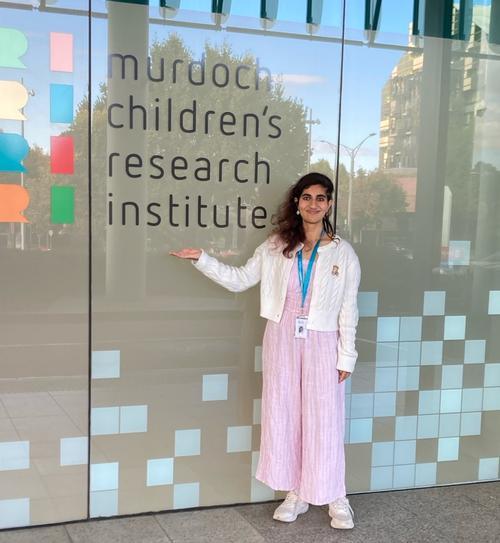
How did you feel about winning the RCPath and the British Society for Haematology Medical Elective small grant scheme?
Winning this grant truly felt like a gift that helped me fulfil one of my dreams. The joint societies’ generosity massively eased the financial burden that accompanied carrying out an elective in Melbourne, enabling me to truly make the most of my time at the world-renowned Murdoch Children’s Research Institute.
What made you decide to do an elective relevant to haematology?
Since completing a BSc in Molecular and Translation Haematology for my fourth year of medical school, I knew I wanted to carry out an elective in this field. I love how the academic nature of the specialty encourages budding haematologists to explore relevant research opportunities, and so to have been given an extended window of time at the end of my degree to spend pursuing my interests, this seemed the most natural choice.
What do you hope to do in the future?
This elective has undeniably been one of the greatest experiences of my life and has solidified my interest in haematology. As such, taking the invaluable learning tools and memories forwards, I hope that my career continues to take me down this path. In the more immediate future, my F2 rotations include both haematology and an academic posting and so I am very much looking forward to additional early career exposure!
Read Hana's full report below:
Daisy Liu's Medical Elective small grant scheme experience
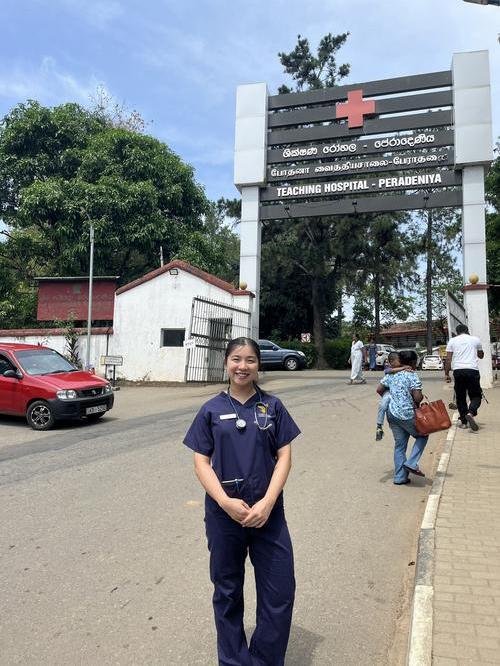
How did you feel about winning the RCPath and the Microbiology Society Medical Elective small grant scheme?
I was thrilled to receive the RCPath/Microbiology Society grant as funding a 5-week overseas elective is a significant financial undertaking, and the award allowed me to fully engage with the experience without that concern. I am extremely grateful for their support.
What made you decide to do an elective relevant to infection, microbiology, or virology?
I was motivated to do an elective in Infectious Diseases because it offers a unique mix of microbiology, public health, and clinical medicine. It is a topic that is taught less in UK medical schools, and I wanted to gain a much deeper and more hands-on understanding. I felt like the ideal way to do so was by experiencing it in a tropical setting such as Sri Lanka, where infectious diseases are far more prevalent than in the UK.
What do you hope to do in the future?
This elective has strengthened my interest in infectious diseases, and I am keen to explore it further as a specialty, particularly given its global relevance and the variety it offers clinically. I am about to begin my foundation training, and whilst I won't have a dedicated infectious diseases job, I will carry the global perspective and experiences gained from this elective into my practice, particularly around history-taking, examination, and diagnostic reasoning.
Read Daisy's full report below:
Medical Elective scheme reports 2025
Lucas Heeringa's medical elective small grant scheme experience
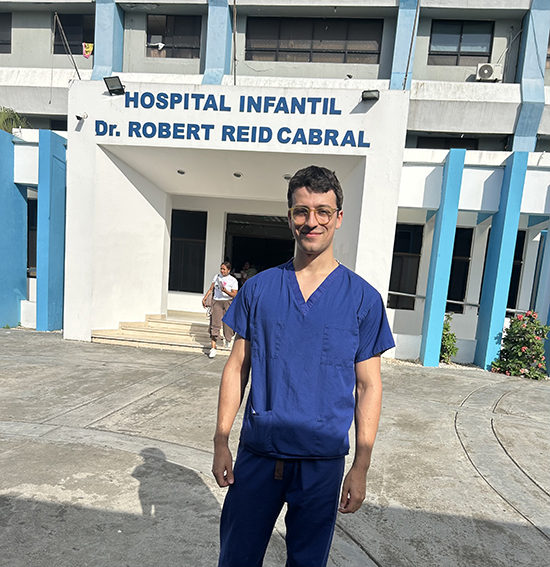
How did you feel about winning the RCPath and the British Society for Immunology Medical Elective small grant scheme?
It was an honour to be awarded the joint elective award of the Royal College of Pathologists and the British Society for Immunology. The grant enabled me to take full advantage of the opportunity to study in the Dominican Republic and complete an elective tailored to my specific goals and interests.
What made you decide to do an elective relevant to immunology?
I have always had an interest in immunology and inflammation and having completed a lab-based project in my integrated year, I was seeking more exposure to the clinical side of the speciality. Rotating in the allergy and immunology department at the largest children’s hospital in the country was a fantastic opportunity. It made me even more certain that this is a career I want to pursue. I learnt so much from the amazing doctors there and got to practice my medical Spanish.
What do you hope to do in the future?
I am about to start my foundation years and will continue to pursue exposure to immunology and paediatrics throughout the 2 years. I am excited to continue my involvement with the Royal College of Pathologists and the British Society for Immunology to support my professional development.
Read Lucas's full report below.
Antonia-Olivia Roberts' medical elective small grant scheme experience
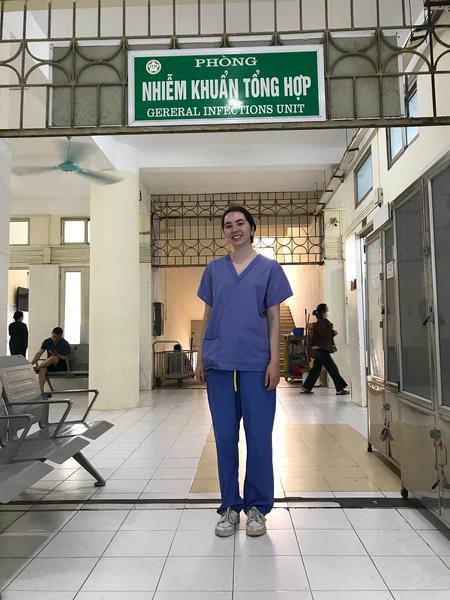
How did you feel about winning the RCPath and the Microbiology Society Medical Elective small grant scheme?
I was really excited to hear that I had won a grant for my elective, as it enabled me to make the most of the opportunities to travel so far away and experience medical placements in Vietnam and Cambodia for a prolonged period of time. I am so grateful to have had this opportunity, as it helped me to explore the multifactorial determinants of infection and access to healthcare in a much more holistic way than I would ever have understood from staying in the UK.
What made you decide to do an elective relevant to infection, microbiology, or virology?
I have always found infectious diseases to be a fascinating area, and I believe it is one of fields of medicine in which we see the greatest variation around the world, because the pathologies present are entirely dependent on the local population and the environment that surrounds them. During medical school I had previously completed a research project on the epidemiology of antimicrobial resistance in Cambodia. However, until my elective, many infectious diseases had seemed like largely abstract concepts, only read about in journals. Therefore, I was very keen to seize the opportunity provided by my elective to learn about infectious diseases first hand.
I am so grateful to have had this opportunity, as it helped me to explore the multifactorial determinants of infection and access to healthcare in a much more holistic way than I would ever have understood from staying in the UK.
What do you hope to do in the future?
I hope to have a career in global health, with a focus on communicable diseases. I would definitely love to work or volunteer overseas again, as my elective really encouraged my interest in travel, although this may be difficult in the short term as I am starting foundation training this year! I hope to continue academic work in the fields of global health and infectious diseases alongside my clinical career, and I have recently been carrying out research into vaccination in Islamic countries.
Read Antonia-Olivia's full report below.
Adam Moore's medical elective small grant scheme experience
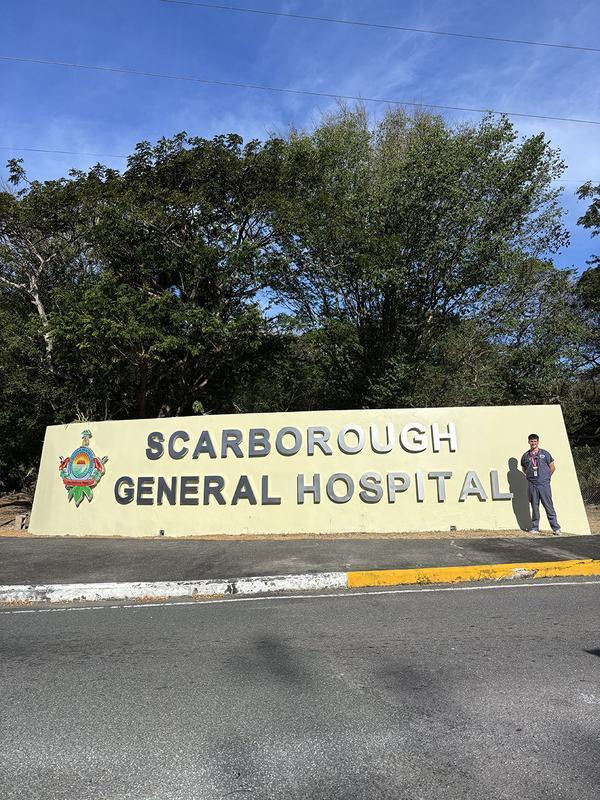
How did you feel about winning the RCPath and the Microbiology Society Medical Elective small grant scheme?
Being awarded the RCPath & the Microbiology Society Medical Elective Small Grant Scheme was an incredible honour. The financial support provided enabled me to take advantage of the educational opportunities on offer and allowed me to further explore infectious disease as a potential future career.
What made you decide to do an elective relevant to infection, microbiology or virology?
I decided to do my elective in infectious disease to explore the global variations within this dynamic specialty, prompting me to choose Tobago for my elective. Trinidad and Tobago provided a combination of unique infections seen only in tropical regions, but also an insight into how the presentation of infections commonly seen in UK may differ depending on region.
What do you hope to do in the future?
The experiences I gained on my elective will no doubt have a lasting impact on my future clinical practice as I head toward the foundation programme this year. Ultimately, the exposure I’ve gained into infectious disease as a specialty has only solidified my desire to explore it further as a potential future career.
Read Adam's full report below.
Matthew Shott's medical elective small grant scheme experience

How did you feel about winning the Pathological Society of Great Britain & Ireland Medical Elective Small Grant Scheme?
I am honoured to be awarded the Pathological Society of Great Britain & Ireland Medical Elective Small Grant. The bursary provided the financial support necessary for me to take advantage of the excellent opportunities I was fortunate to access. It is a privilege to be recognised by the College and I hope that future applicants feel encouraged to apply!
My elective has solidified my plans to embark on a career as an academic physician.
What made you decide to do an elective in cellular pathology?
I've long held an interest in cell imaging and its applications for research as well as future clinical practice and wanted to explore this further. I was also keen to make use of the lab skills I'd acquired during my intercalated MSc in a more clinical environment. Finally, I was interesting in experiencing a blend of clinical practice and laboratory which academic job plans allow for. This project has allowed me to achieve these goals alongside involvement with cutting edge microscopic techniques, which I hope will provide a positive impact on future clinical practice.
What do you hope to do in the future?
My elective has solidified my plans to embark on a career as an academic physician. I aim to complete a PhD during specialty training in order to build my knowledge base in both academia and clinical practice. In the nearer future, I hope to present and publish my elective project to aid others in selecting an optimal clearing method for their tissue samples.
Read Matthew's full report below.
Medical Elective scheme reports 2024
Ayolola Eni-Olotu – Microbiology and Infectious Diseases elective at Alexander von Humboldt Tropical Medicine Institute (IMTAvH), based in the Universidad Peruana Cayetano Heredia (UPCH) in Lima, Peru
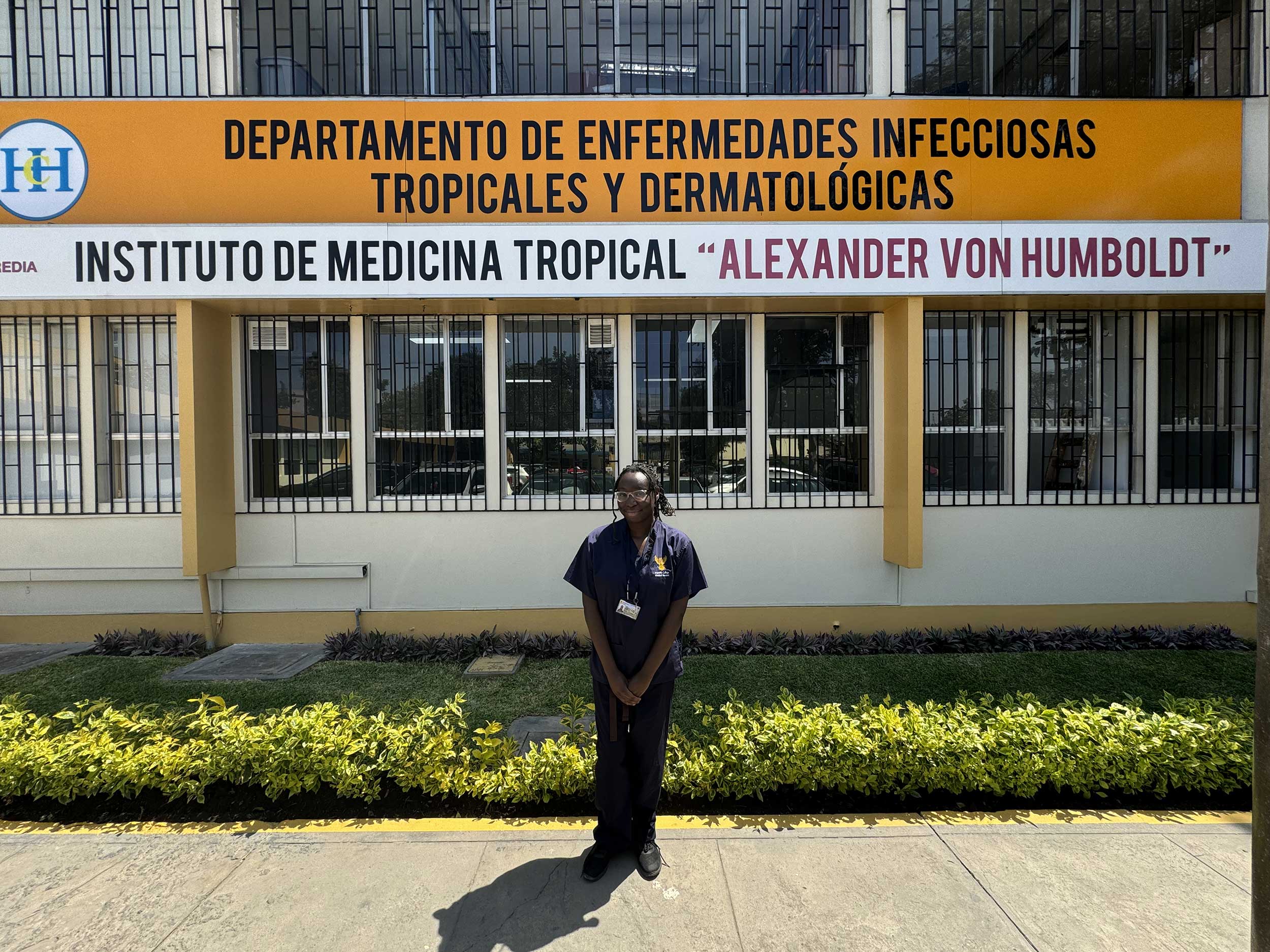
Ayolola Eni-Olotu BSc (Hons), final year medical student at Imperial College London, standing in front of the Tropical and Dematological Infectious Diseases at Alexander von Humboldt Tropical Medicine Institute, UPCH.
How did you feel about winning the RCPath and the Microbiology Society Medical Elective small grant scheme?
I was so thrilled and relieved when I found out that I had been awarded the grant for my elective. I was really passionate about making my aspirations to do an infectious diseases elective in Peru a reality, and during my grant application I’d put together a budget, so I knew exactly how helpful the grant would be. Being awarded this grant really made the pursuit of my elective feasible, so I’m very appreciative of the Royal College of Pathologists and the Microbiology Society. In my application, I also detailed how this elective would be useful for my career aspirations of specialising in Infectious Diseases (ID), so being awarded this grant made me feel very supported in my career journey by both organisations.
What made you decide to do an elective in infection?
I’ve found infectious diseases fascinating throughout medical school and I have been working towards specialising in it for several years. Due to the nature of this specialty, the presentations you can see vary hugely across the world, so I knew there would be a real value in undertaking an ID placement abroad. While I had studied tropical diseases in university, and greatly enjoyed learning about them, I knew that seeing these conditions and their management in real life would consolidate my learning. Additionally, as I am interested in the overlap between infectious diseases and global health, I knew that seeing the treatment of infectious diseases in another country, with a higher burden of tropical diseases, would provide unique insights.
I aspire to specialise in infectious diseases and microbiology, and I found this elective extremely encouraging in working towards this aspiration.
What do you hope to do in the future?
I aspire to specialise in infectious diseases and microbiology, and I found this elective extremely encouraging in working towards this aspiration. Infectious diseases is so broad, in terms of the range of pathogens, the different clinical manifestations, and the various opportunities for intervention from global health strategies to antibiotic therapies. There was so much to learn from every case, and I found being involved in the team really exciting. While working towards this speciality, I also hope to obtain a Diploma in Tropical Medicine & Hygiene, where I can learn more about tropical diseases and health policy. This elective was a useful opportunity to see the real-life implications of these topics, and I was able to pick up key learning points which will be helpful in my further education.
Read Ayolola's full report:
Jasmine Makker – Leukaemia service at the Memorial Sloan Kettering Cancer Center in New York, USA

How did you feel about winning the RCPath and the British Society for Haematology Medical Elective small grant scheme?
I am very grateful to the RCPath and the British Society for Haematology (BSH) for their support for my electives, which have been incredible learning experiences. They will undoubtedly shape my future clinical and research practice.
What made you decide to take an elective in haematology?
I have a keen interest in malignant haematology. The rapid advances in research, both in our understanding of the disease as well as in the development of novel therapeutic options that have significantly improved patient outcomes, have inspired me to be a part of the field and to undertake an elective in the specialty.
What do you hope to do in the future?
I aspire to combine my clinical and scientific interests in immunology and cancer biology, with the ultimate goal of becoming a physician-scientist.
Read Jasmine's full report:
Ïa Robert-Montaner – Anatomical Pathology Department of Royal North Shore Hospitals, Sydney, Australia
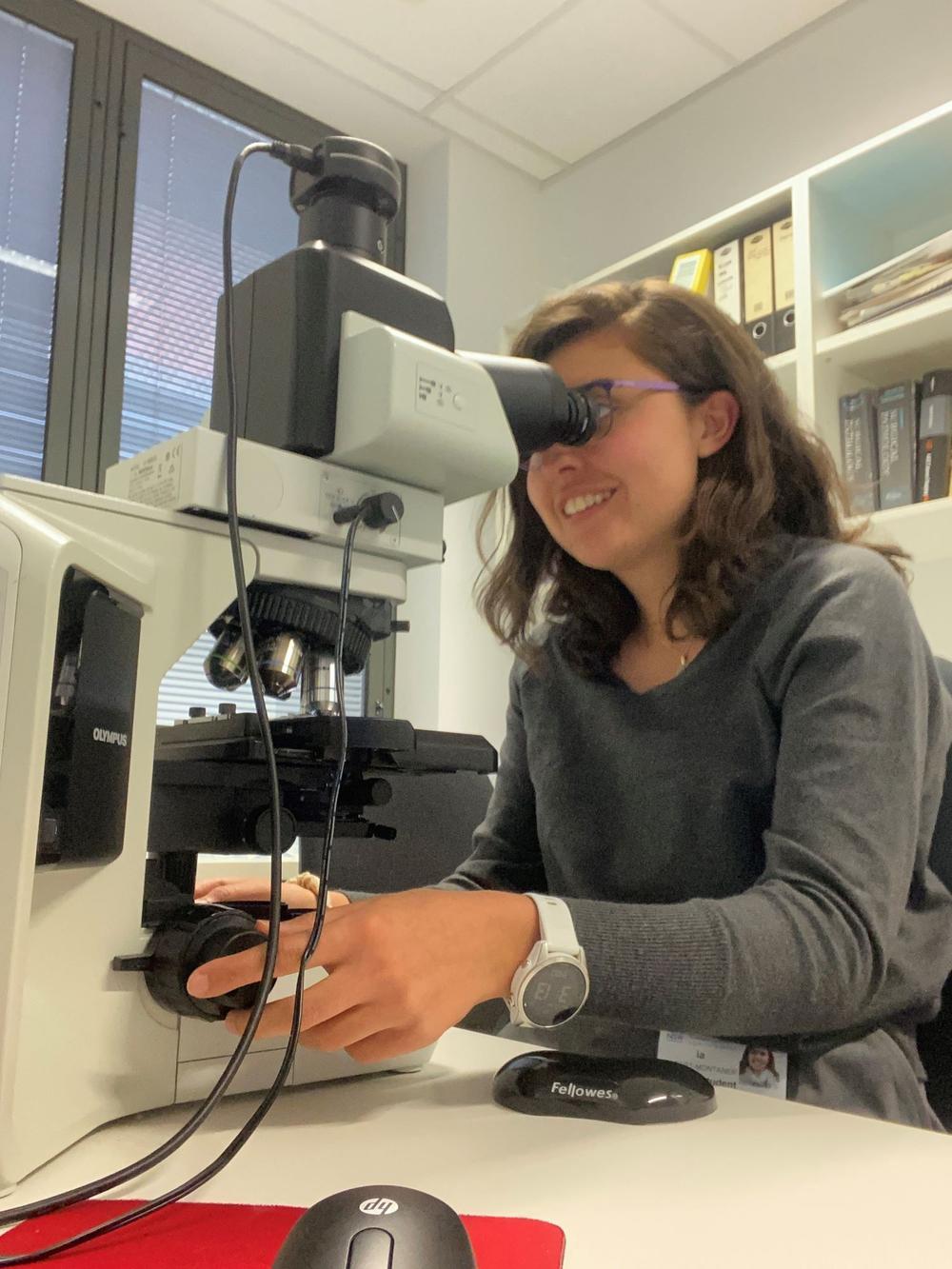
How did you feel about winning the RCPath and the Pathological Society of Great Britain & Ireland Medical Elective small grant scheme?
Winning the RCPath and the Pathological Society Small Grant Scheme was such an honour. The bursary not only provided the financial support necessary to undertake this elective but also opened doors to a transformative experience in Sydney, where I undertook my elective at the Pathology Department of Royal North Shore Hospital. This opportunity allowed me to observe and actively engage with leading experts in the field as well as gaining invaluable insight and practical knowledge. It is a privilege to be recognised by such prestigious organisations.
This opportunity allowed me to observe and actively engage with leading experts in the field as well as gaining invaluable insight and practical knowledge. It is a privilege to be recognised by such prestigious organisations.
What made you decide to take an elective in cellular pathology?
I chose to pursue an elective in cellular pathology because our Medical School curriculum lacked exposure to this critical field. Given that every specialty in the hospital interacts with the pathology department, I was intrigued to learn more about their crucial role in diagnostics. Moreover, I am interested in combining my clinical work alongside research, hence pathology seemed like the ideal combination of both. Overall, I am thoroughly pleased with my elective experience, having gained invaluable insight into the fascinating realm of pathology.
What do you hope to do in the future?
In the future, I aim to build a career that combines both clinical practice with research, with aspirations to pursue a PhD and becoming an academic clinician. My journey through Medical School has seen my interests evolve, from infectious diseases to internal medicine. Throughout, I have constantly been interested on patient-centred care and avoiding over-treatment.
As I embark on Foundation training in a few weeks, I anticipate my interests and perspectives will continue to evolve, hence I remain open minded about the opportunities that lie ahead. Over the next few years, I am enthusiastic about completing Foundation Training while engaging in research projects to deepen my understanding and contribute to advancements in healthcare.
Read Ïa's full report:
Medical Elective scheme reports 2023
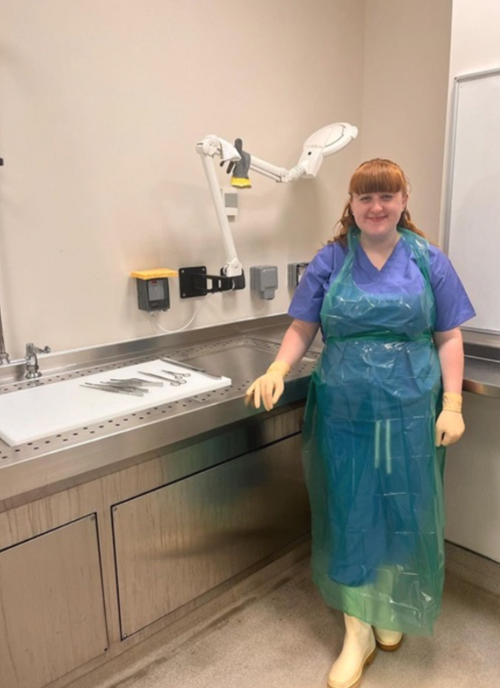
Lucie Williamson – Forensic Pathology Elective at the University of Glasgow
How did you feel about winning the RCPath and the Pathological Society Medical Elective small grant scheme?
I was very honoured and proud to have received the RCPath and the Pathological Society Medical Elective small grant scheme bursary. The combined support assisted me to undertake a 6-week elective observing forensic pathologists in the University of Glasgow.
I was fortunate to also have been offered an elective shadowing the coroner in my local area, Hull and East Riding of Yorkshire, but the bursary enabled me to travel further afield to gain wider experience. This proved to be invaluable, and I am extremely grateful for this opportunity.
This insight into life as a forensic pathologist and the histopathology training path is very valuable to my career and I am grateful that I had this opportunity.
What made you decide to do an elective in cellular pathology?
Prior to medical school I have always been interested in becoming a forensic pathologist and throughout my medical school journey I have taken part in events that will help me achieve this goal. I have attended a seminar by a retired forensic pathologist to gain a greater understanding of what this career entailed. During my first year of university, I attended the Royal College of Pathologists' summer school. The summer school provided me with the knowledge of the pathway involved to pursue this career. I was fortunate enough to regularly shadow a consultant histopathologist during my second year of medical school. I learnt how tissue samples were dissected, interpretation of cell slides under microscopes and watched hospital post mortems. All this has confirmed that this is the route I am keen to go down.
I attended the presentations by forensic pathologists at the Royal College of Pathologists Summer Meeting 2023. From the insight provided by these talks I had questions of my own about the future of forensic pathology which could only be answered by the pathologists whom I would meet on my elective.
What do you hope to do in the future?
As mentioned in my report, I will be entering The British Association in Forensic Medicine Undergraduate Prize on ‘Injury Patterns of Road Traffic Fatalities in Car Occupants in Glasgow in 2022: An Autopsy Based Report’. This could hopefully provide the opportunity to be published for future development with my career path.
I have also signed up for the PathSoc Undergraduate Mentorship Programme. This programme provides a mentor who can provide advice, guidance and requirements, to enable me to achieve a career in pathology.
Read Lucie's full report:
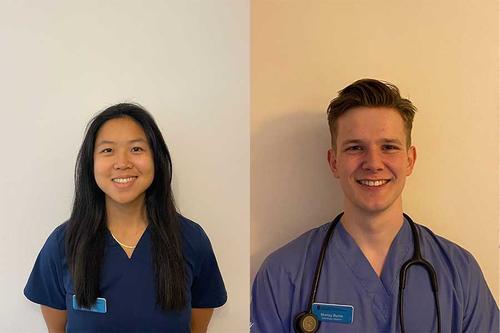
Murray Burns, Mina Lee and Michael K. Ghebremariam – Quantifying Tissue Shrinkage Throughout Histological Processing for Cutaneous, Parenchymal and Luminal Tissues
How did you feel about winning the RCPath and the British Society for Veterinary Pathology Medical Elective small grant scheme?
It was very exciting to have won the small grant scheme funding. This gave us certainty we would be able to complete our research while also having financial support throughout the period of our project.
I have also been broadly interested in research for a long time and felt that doing a project while still at university would help me get involved in future research projects after I graduate.
What made you decide to do an elective in veterinary pathology?
I really enjoyed learning about anatomy during my pre-clinical years, which then translated into enjoying learning about anatomic pathology. After my second year of veterinary school, I did an anatomic pathology placement at the University post-mortem facility, which I really enjoyed. This helped me gain a much greater appreciation for the pathogenesis of disease, which now helps me a lot with my understanding of diagnostic imaging and treatments for diseases. Because of these experiences, when the opportunity came for a project in veterinary pathology came up, I was very keen to get involved.
I have also been broadly interested in research for a long time and felt that doing a project while still at university would help me get involved in future research projects after I graduate.
What do you hope to do in the future?
Our initial hopes are to send our full research paper for peer review and then to publish it. Beyond this, my hopes are to work as a vet in general practice initially after I graduate. I am very interested in applying for specialist training later in my career and getting further involved in veterinary research. I am sure this research project has provided me skills that will help in these goals.
Read the full report: