
Previous Achievement Awards winners
RCPath Achievement Award winners 2026
Seven RCPath Achievement Awards were presented at the College’s annual dinner.
To celebrate excellence in pathology practice and promote high standards in pathology education, training and research to deliver the best patient care, the College established the RCPath Achievement Awards. These awards complement our existing schemes that celebrate public engagement and research.
There are 7 RCPath Achievement Awards – 4 team awards and 3 individual awards.
Congratulations to all the 2026 fantastic winners! You can read more about their work below.
Team awards
Team Award for Innovation, Technology or Development of AI – Sponsored by Roche Diagnostics

Peter Bankhead, Mark J Arends and the QuPath Team, University of Edinburgh
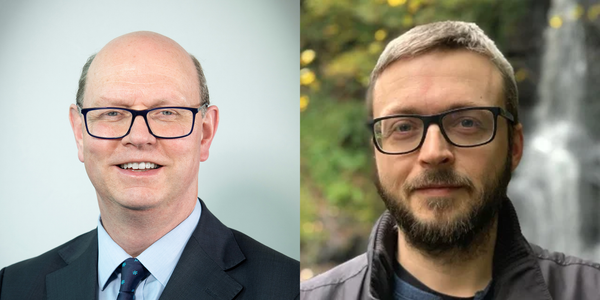
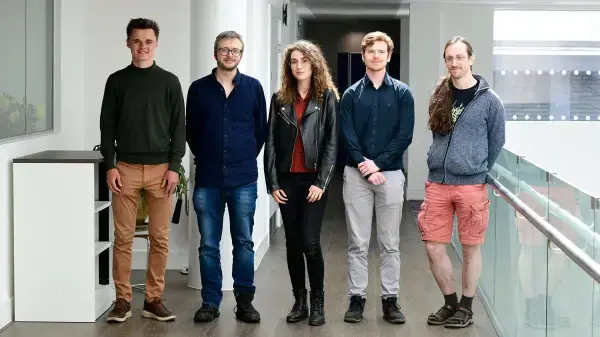
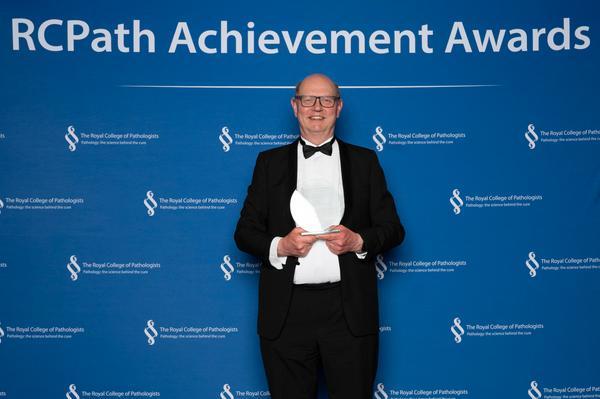
Dr Peter Bankhead is the creator and lead software expert behind QuPath, one of the world's most widely used image analysis platforms for digital pathology. He develops QuPath with his research group at the University of Edinburgh in collaboration with Professor Mark J Arends.
Since its launch, QuPath has been downloaded more than one million times worldwide and cited in over 6,000 journal articles. As an open-source platform, QuPath has made advanced image analysis and AI-powered tools freely accessible to support global research, helping to improve efficiency, reduce costs and raise standards for quantitative analysis in pathology.
Team Award for Partnership Working
National Blood Transfusion Committee (NBTC) and NHS Blood and Transplant (NHSBT) Partnership Team
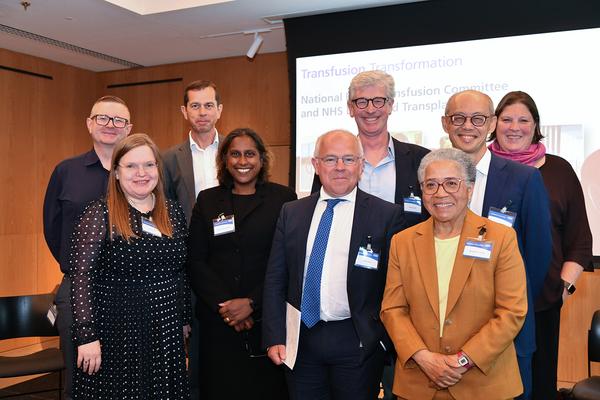
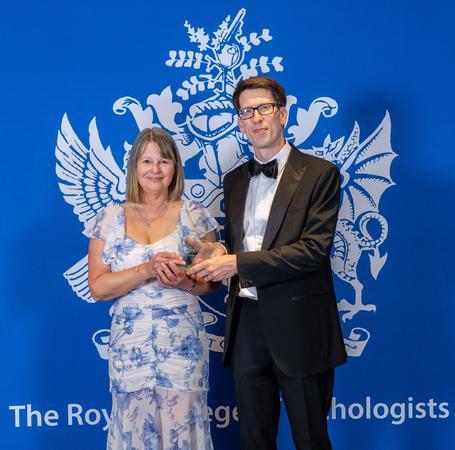
The National Blood Transfusion Committee and NHS Blood and Transplant partnership team.
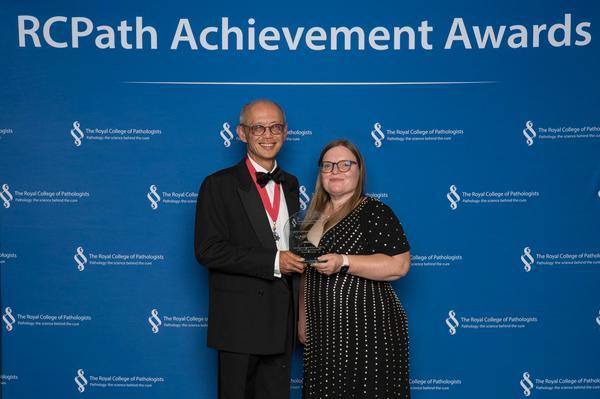
Professor Cheng-Hock Toh and Professor Lise Estcourt.
A partnership between the National Blood Transfusion Committee and NHS Blood and Transplant has made blood transfusion safer and more efficient for NHS patients.
Together, they reduced blood use by 20%, saving 12,000 units of the rarest blood type and ending a national shortage. They improved the use of a drug that reduces bleeding in surgery, created England's first blood wastage database and launched a genomic matching programme to give patients with sickle cell disease better-matched, safer blood.
Team Award for Pathology Services – Sponsored by Epredia

Essex & Herts Air Ambulance (EHAAT) CPC Collaboration Team
-
Dr Ben Swift (Home Office Registered Forensic Pathologist)
-
Dr Gareth Grier (Consultant in Emergency Medicine and Pre-hospital Care, Associate Medical Director at EHAAT)
-
Mrs Suzie Robinson (Southey Academic Lead for Patient Experience and Outcomes at EHAAT)
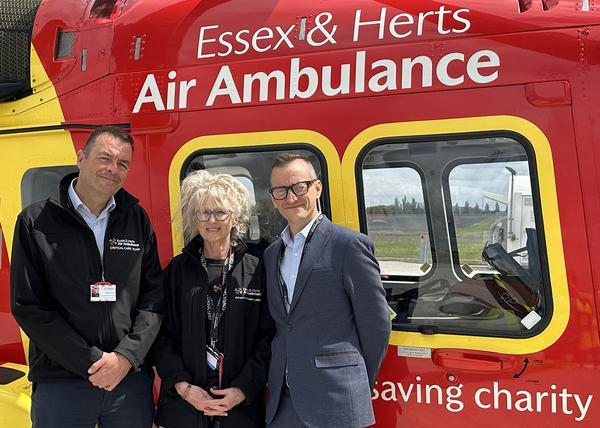
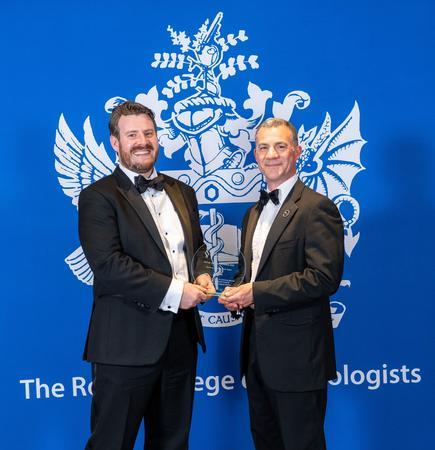
Dr Gareth Grier, Mrs Suzie Robinson and Dr Ben Swift.
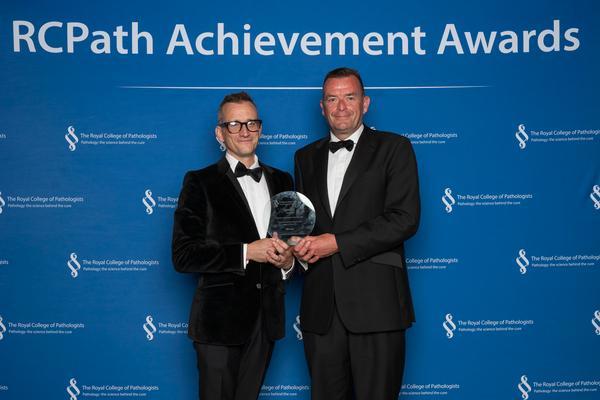
Dr Ben Swift and Dr Gareth Grier.
A pioneering collaboration at Essex & Herts Air Ambulance (EHAAT) is changing how emergency services learn from patient deaths by integrating forensic pathology expertise into clinical governance and education. Voluntarily led by a forensic pathologist and supported by senior coroners, the initiative has transformed on the scene care by delivering pathology-focused clinicopathological correlation (CPC) meetings that bring together autopsy findings and clinical reflection to improve future patient care.
The CPC meetings are attended by pre-hospital doctors, paramedics, students and aftercare teams, creating a multidisciplinary environment for collaborative learning and continuous improvement. Through detailed discussion of clinical diagnoses alongside autopsy findings, the programme has strengthened understanding across teams whilst also promoting the role and value of pathology in emergency medicine and pre-hospital care.
Team Award for Sustainability – Sponsored by Source LDPath
Histopathology and East Genomics, Cambridge University Hospitals
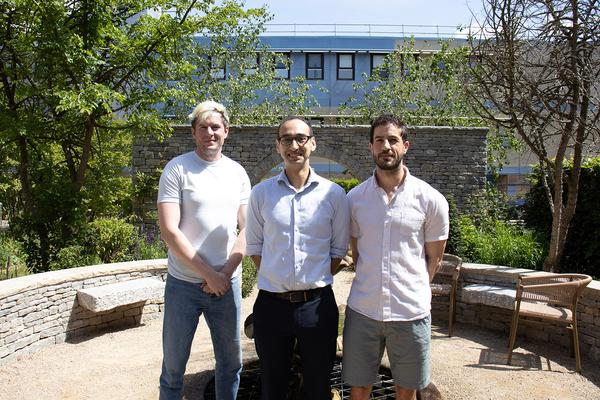
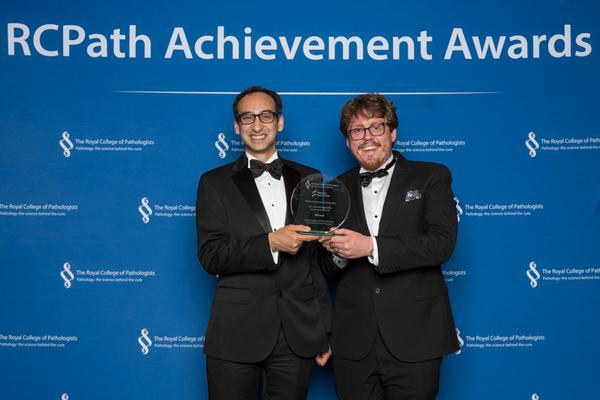
Designed to be scalable and replicable across the NHS, CUH Histopathology and East Genomics have delivered an innovative sustainability initiative that is transforming how molecular tumour samples are handled for whole-genome sequencing across the NHS Genomic Medicine Service. Through the introduction of a room temperature sample-stabiliser, their innovative sustainability initiative introduces a room-temperature sample stabiliser, removing the need for dry ice and urgent courier logistics. This has created a more sustainable, accessible and scalable approach to molecular sample transport.
Importantly, the initiative has improved access to whole-genome sequencing for patients at remote and referring hospitals by allowing samples to be collected and shipped alongside other routine pathology samples.
This practical and measurable project demonstrates how pathology-led innovation can successfully combine environmental sustainability, operational improvement and clear patient benefit.
Individual awards
Leadership Award
Dr David Adams, Senior Group Leader and Interim Head of The Somatic Genomics Programme (SGP), Wellcome Sanger Institute
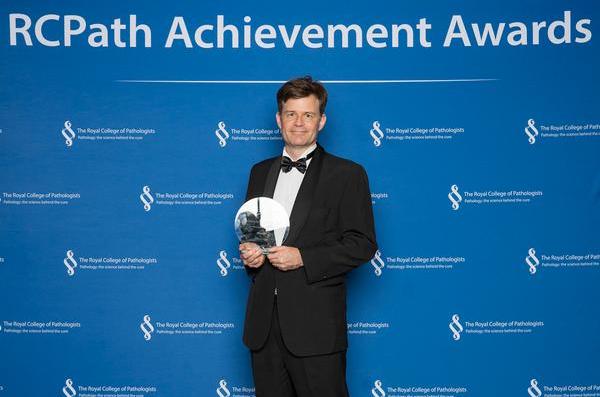
Dr David Adams leads a research programme focused on understanding the genetic causes of cancer. As senior group leader and interim head of the Somatic Genomics Programme at the Wellcome Sanger Institute, he provides strategic leadership across a division of over 200 staff.
Dr Adams has authored over 400 publications. His research has made important contributions to cancer genetics, including discovering genes that increase the risk of inherited skin cancer, and developing new tools that allow scientists to test the effects of genetic mutations. Dr Adam’s work is reshaping how we define cancer risk and find new targets for treatment.
He has also developed the next generation of scientific leaders, supervising over 40 PhD students and postdoctoral fellows, many now holding senior positions in academia, medicine, and industry. His research has attracted support from major funders including Wellcome, Cancer Research UK and AstraZeneca.
Trainee Award
Dr Richard Yates, ST4 in Histopathology, Royal Free London NHS Foundation Trust
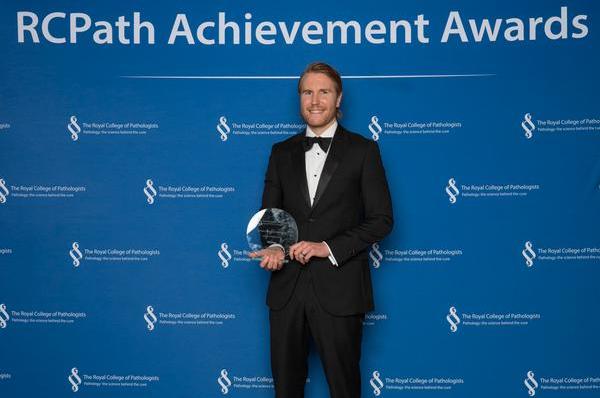
Dr Yates analysed over 1.7 million formaldehyde airborne monitoring results across 117 NHS departments between 2024 and 2025. His data unequivocally shows that formaldehyde exposure is inadequately controlled in most NHS pathology departments. Dr Yates has independently lobbied the Department of Work and Pensions, the Health and Safety Executive (HSE), Scotland’s Chief Scientific Advisor, and Members of Parliament and the House of Lords.
His findings have elevated the profile of the pathology workforce via media reporting in The Independent and Channel 4 News. His advocacy has also led the HSE to agree to raise awareness of appropriate formaldehyde management, create a compliance case study, and provide clearer information to NHS trusts.
He has also secured a commitment from the RCPath President to establish a Working Group to advocate for higher standards of occupational hygiene across UK pathology departments.
Dr Yates his research has been covered by BMJ: Under the microscope: formaldehyde exposure in National Health Service pathology departments in the United Kingdom.
Trainer of the Year
Dr Marina Morgan, Consultant in Medical Microbiology and Infection, Royal Devon & Exeter Foundation NHS Trust
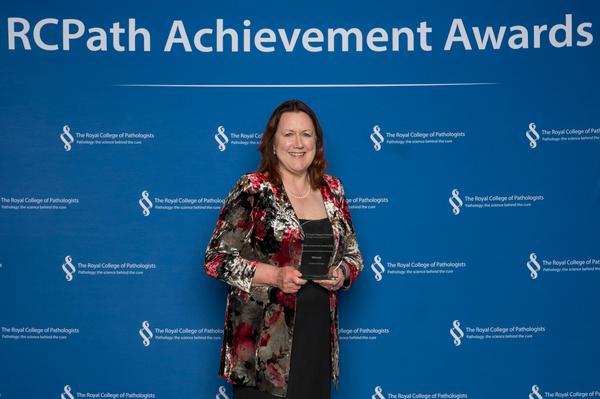
Infection specialties are experiencing a crisis in workforce and succession planning, with hospitals struggling to fill consultant posts across the UK. Dr Morgan encourages trainees to consider infection training as a career, organising and delivering a number of activities to promote infection specialties to trainees and foundation doctors.
Dr Morgan teaches nurses, medical students, biomedical scientists, clinical scientists, physician associates and doctors at local, regional, and national levels. She developed a successful Work Experience Programme introducing prospective medical students to clinical and laboratory practice – one former student is now an infection consultant.
She is a RCPath examiner, an educational and clinical supervisor, and contributed to developing a GP with Special Interest (GPSI) training curriculum.
From 2010 to 2025, Dr Morgan served as South-West Training Programme Director for Medical Microbiology, overseeing specialist training across the region and delivering remedial training for doctors in difficulty.
Highly commended
Individual awards
Leadership Award
- Professor Mary Noelle Sheppard
Trainee Award
- Dr Cassim Akhoon
- Dr Matthew Waite
Trainer of the Year Award
- Dr Suryabrata Banerjee
- Dr Samir Dervisevic
Team awards
Partnership Working
- British Association of Gynaecological Pathologists
- London Undergraduate Pathology Network
- North West Genomic Laboratory Hub (NWGLH) / Manchester Centre for Genomic Medicine
Pathology Services Award
- Blood Culture Pathway multidisciplinary team at Northumbria Healthcare NHS Foundation Trust
Sustainability Award
- The Microbiology Greens (The MGs) at Lancashire Teaching Hospitals
- Green Champions, The Association for Laboratory Medicine
Innovation, Technology or Development of AI
- North West Anglia FT Cellular Pathology Department
- Synnovis AI
- Synnovis Genomics
RCPath Achievement Award winners 2025
To celebrate excellence in pathology practice and promote high standards in pathology education, training and research to deliver the best patient care, we established the RCPath Achievement Awards. These awards complement our existing schemes that celebrate public engagement and research. There are 5 RCPath Achievement Awards – 4 team awards and 1 award for the category of sustainability.
The 2025 Achievement Awards celebrate excellence in pathology service provision through teamwork.

Team awards
Diagnostic Cytology Team – Royal Devon and Exeter Hospital
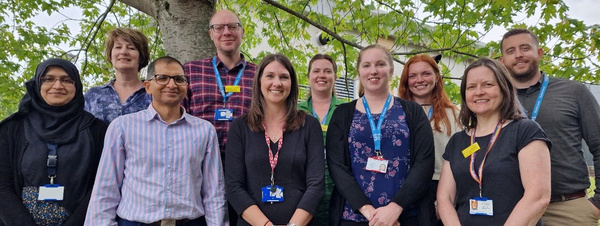
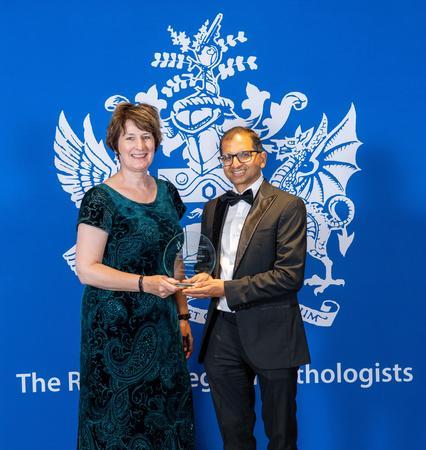
Since the loss of the cervical screening service in 2020, the cytology team at Royal Devon and Exeter Hospital has worked hard to provide and expand the diagnostic service. The staff has extended and enhanced their skills to provide a biomedical scientist-led rapid onsite evaluation (ROSE) service, which has grown from 4 clinics to 8 per week in the last couple of years. This service supports upper GI endoscopic ultrasound (EUS), endoscopic bronchial ultrasound (EBUS) and head and neck clinics. The team has a very ‘let’s do it’ attitude and does not shy away from trying new things.
All the ROSE service users have been very complimentary. These clinics not only provide an excellent patient service, but they have also significantly impacted cancer pathways and been cost-efficient. The ROSE service has been extended to North Devon Hospital, which has remarkably improved the quality of service there.
The team has validated use of fluid samples for lung cancer and melanoma biomarker testing using in-house platform for rapid turnaround of results (this is also UKAS accredited). They are currently researching use of fluids for RNA fusion testing and involved in a multicentre trial for Thyroidprint.
GUSTO Trial Lab Team
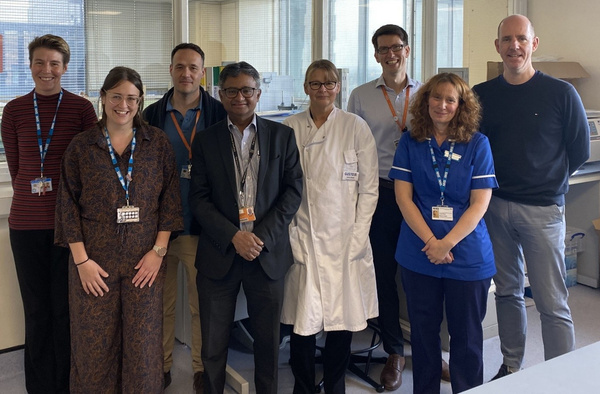
GUSTO Trial Lab Team.
GUSTO (Genotype of Urothelial cancer: Stratified Treatment and Oncological outcomes; funded by the National Institute for Health and Care Research [NIHR] and the Medical Research Council [MRC] Efficacy and Mechanism Evaluation [EME] programme) is the world’s first randomised control trial to use genomic subtyping to guide pre-operative chemo- and immunotherapy in bladder cancer.
The GUSTO laboratory is a collaboration between the University of Sheffield and Sheffield Teaching Hospitals NHS Foundation Trust histopathology department. The trial requires the laboratory to deliver rapid gene expression subtype results to teams across 20 UK centres with a target turnaround time of less than 7 days.
To achieve this, the team has optimised new laboratory processes working with biomedical scientists, pathologists, NHS laboratory management, the University of Sheffield and NHS Research & Development departments, and a commercial partner.
The laboratory team has also established a novel way of working where the bench/ ‘wet’ laboratory work is performed in Sheffield and data is analysed on a dedicated commercial server in the USA. This reduces delays and inefficiencies associated with sending physical samples overseas. The laboratory team also collects translational tissue and blood samples and has secured further research funding from Cancer Research UK, The Pathological Society and the Jean Shanks Foundation.
The GUSTO laboratory is the only centre in the UK offering this test. The laboratory has been processing trial samples for 18 months and achieving high-quality gene expression subtyping results. These results demonstrate how university–NHS partnerships can make cutting-edge diagnostic technologies available to patients within clinical trials.
Less invasive autopsy for perinatal demise – Great Ormond Street Hospital perinatal autopsy imaging service
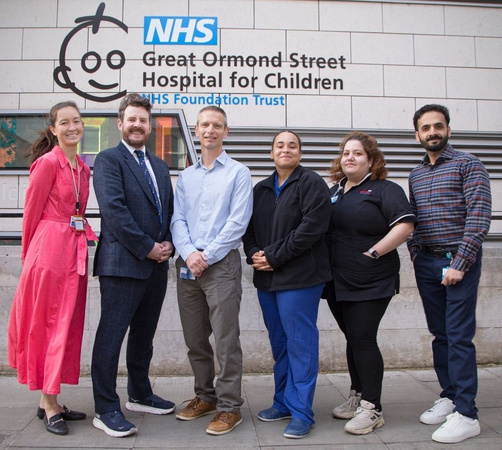
Great Ormond Street Hospital perinatal autopsy imaging service team.
Over the last 10 years, the Great Ormond Street Hospital (GOSH) Autopsy Imaging Service has evolved from a research project to an integrated clinical service. The multiprofessional team of mortuary staff, radiographers, physicists, radiologists and technicians, led by pathology, have designed and optimised imaging techniques to be incorporated into a less-invasive autopsy process.
Not only have they established the utility of medical imaging (MRI, CT, ultrasound), but they have also pioneered novel imaging techniques including micro-CT for fetal autopsy. Offering less-invasive autopsy has broadened the reach of autopsy to 16 centres, with excellence in service provision demonstrated by a high level of acceptance by parents and a reduced turnaround time of 3 weeks.
Almost all perinatal autopsies at GOSH now involve some form of imaging. The team completed their 1,000th micro-CT-based autopsy in 2024. They have also published ‘how to’ guides and diagnostic accuracy rates, to help develop other UK services and widen parental choice.
Great Ormond Street Hospital Metagenomics team
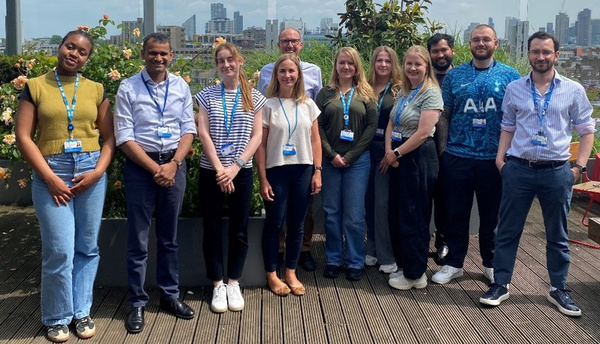
Great Ormond Street Hospital Metagenomics team.
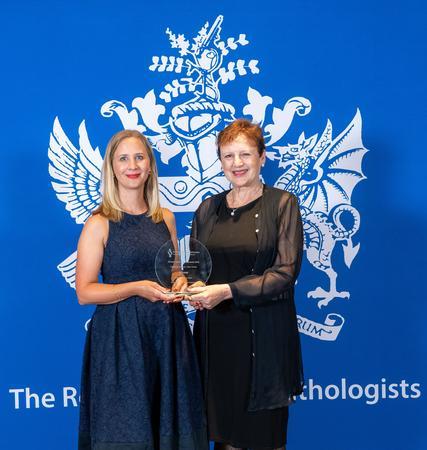
In 2024, the Great Ormond Street Hospital metagenomics team became the first and only nationally United Kingdom Accreditation Service (UKAS) accredited service using metagenomics to diagnose infection.
The service has led to pioneering diagnostic discoveries including a novel astrovirus causing encephalitis, and the cause of an international outbreak of paediatric hepatitis in 2022, which resulted in international press coverage.
Sterile site metagenomics is a cutting-edge method of pathogen diagnostics; over the last 10 years, the team has taken this from the research environment and translated it into routine clinical care, making it available across the NHS. Performing more than 600 tests, a recent audit of practice showed a 74% change in patient management.
The team continually strives to improve their service and works collaboratively across NHS organisations to improve access to this pioneering diagnostic technology. They are helping to deliver the NHS Genomics Network of Excellence (GNoE) Severe Presentation of Infectious Disease (SPID) aim to evaluate and implement metagenomic analysis. They are the only paediatric centre in a nationally funded project to roll out rapid respiratory metagenomics in critical care and are evaluating faster methods for metagenomics in patients with encephalitis, uveitis and hepatitis.
Sustainability awards
Bon Secours Hospital Tralee laboratory team
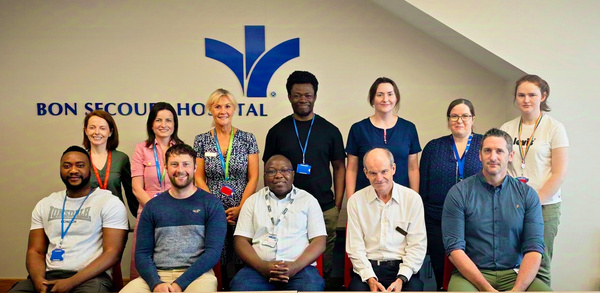
Bon Secours Hospital Tralee laboratory team.
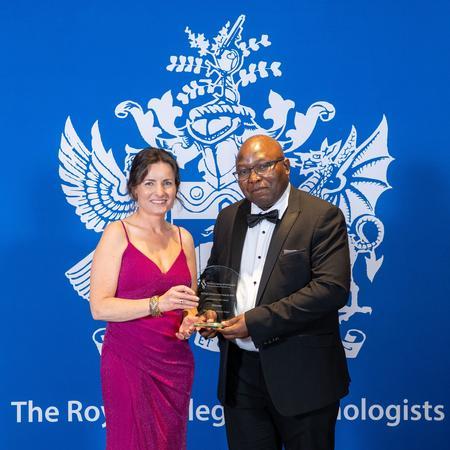
The Bon Secours Hospital Tralee laboratory team based in Tralee, County Kerry, Ireland, set out to reduce chemical consumption, clinical waste and electrical consumption.
The laboratory processes approximately 20,000 cases per year, using 2 tissue processors. Previously, all reagents used in the tissue processors were disposed of weekly. By implementing the reagent manager system, only the first station was changed weekly. All other reagents were moved on by 1 container, enabling the recycling of reagents. Validation was completed by running duplicate samples on the tissue processor with the reagent manager system in use, and 1 using the old system. Stained slides were assessed using the UKNEQAS staining criteria.
Following a period of monitoring, the team carried out education on waste segregation. Furthermore, the ‘on’ time of 2 embedding centres was optimised.
The project led to a financial saving of nearly €37,000 per year for the laboratory. There were also huge environmental benefits, as well as health and safety improvements. The project has the potential to be scaled up, yielding proportionally greater savings in a larger laboratory.
Highly commended
-
The British Association of Gynaecological Pathology (BAGP) Council
-
The Clinical Transfusion Team at Guys and St Thomas NHS Foundation Trust
-
The National Pathology Imaging Co-operative (NPIC)
-
Oxford Immunology Laboratory
-
The Point of Care Testing Team at North West London Pathology
-
Toxicology Team at the Queen Elizabeth University Hospital
-
North West London Pathology Training Academy Team
RCPath Achievement Award winners 2024
To celebrate excellence in pathology practice and promote high standards in pathology education, training and research to deliver the best patient care. These awards complement the College’s existing schemes that celebrate public engagement and research.
There are 6 RCPath Achievement Awards. Four team awards and 2 awards for a new category of sustainability.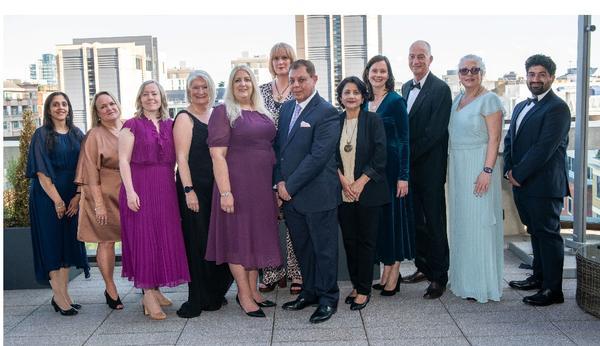
Team awards
Liverpool Clinical Laboratories Infection and Immunity Research, Development and Innovation Team
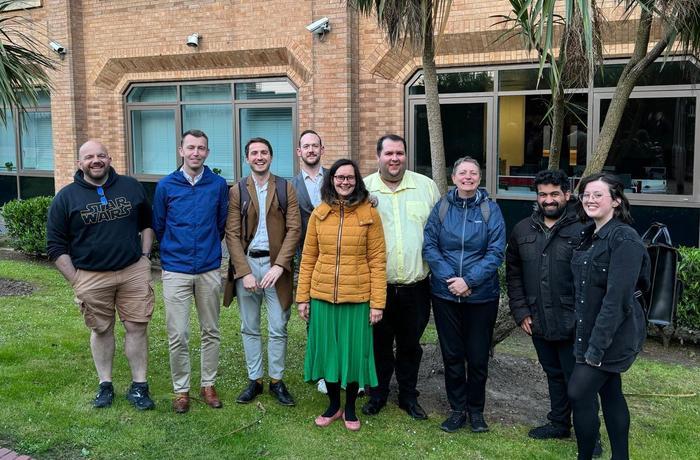
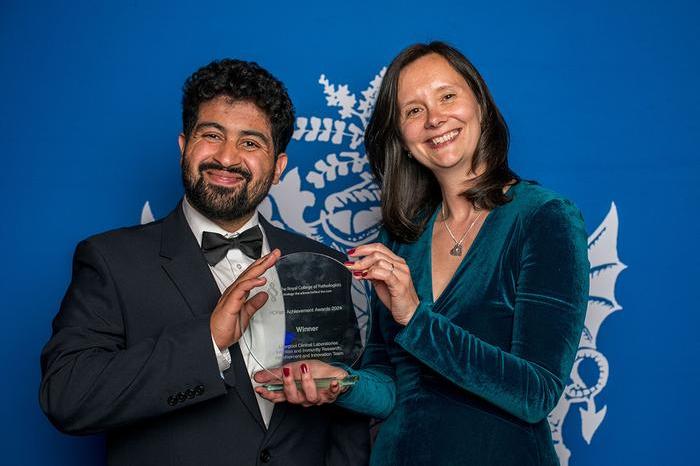
Dr Edward Cunningham-Oakes and Dr Anna Smielewska.
The Infection and Immunity Research, Development and Innovation team at Liverpool Clinical Laboratories, in collaboration with the Centre of Genomic Research, University of Liverpool, have established a novel 16S Oxford Nanopore sequencing assay in routine clinical usage with a turnaround of 24 hours for urgent samples.
This is the first time in the UK that an assay of this type has been made widely and routinely available to all patients including hard to reach populations such as paediatrics and the immunosuppressed.
Their work has been shown to reduce or narrow antibiotic usage by 34.2% as well as a positive correlation with reduced patient stay. They are a small team that have brought together many different skills including bench work, bioinformatics, IT and clinical input to deliver cutting-edge diagnostics.
They are also actively supporting education through training and establishing further collaboration with industry, diagnostic innovation and academia by participating in local and national seminars and conferences.
Medical Examiners’ Office hosted by Ashford & St Peter's Hospitals NHSFT
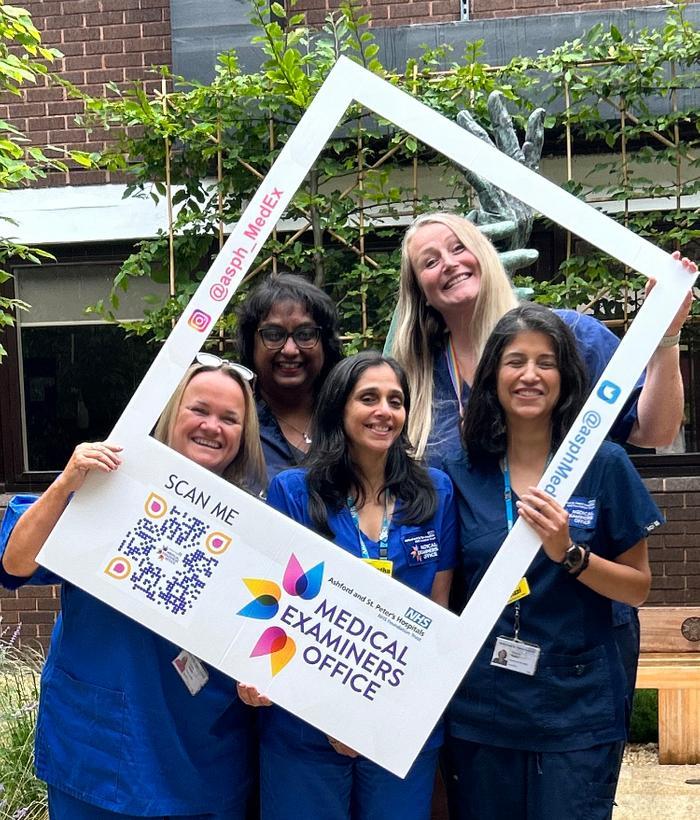
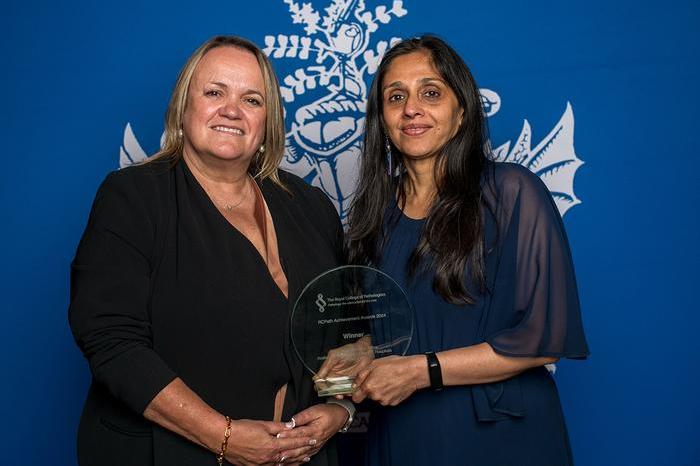
Ms Clare Walker and Mrs Sangeetha Nair.
The Medical Examiners’ Office team hosted by Ashford & St Peter's Hospitals NHS Foundation Trust have created a dynamic, outward looking department where building a service from scratch, they have designed a paperless system for receiving referrals with sufficient electronic data for proportionate scrutiny, and an accessible database.
They have also built strong working relationships with stakeholders including registration services and individual GP practices through in-person visits and virtual support.
They designed and delivered a series of five different community engagement events for GP administrators, GPs and funeral directors, which have been fantastically well received with audiences of up to 100 at each event.
As a result the medical examiners officer are now scrutinising 100% of acute deaths and 80% of community deaths, long before the service becomes statutory in September.
North West London Pathology Team
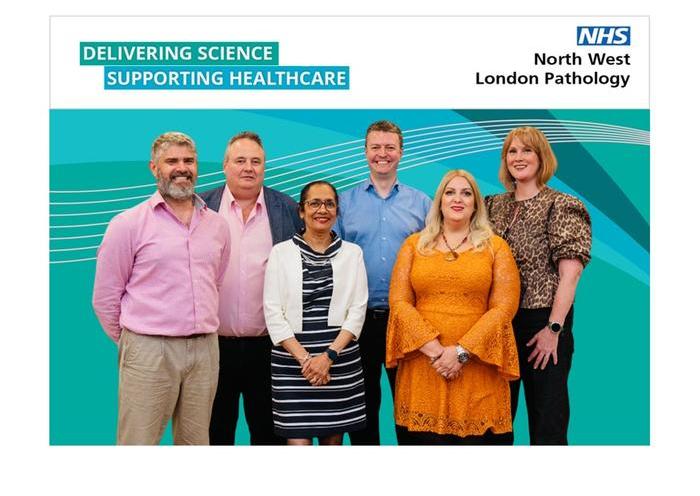
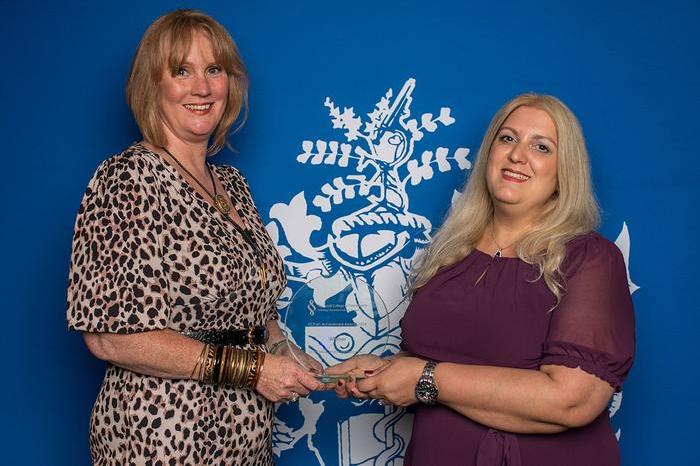
Ms Angela Jean-Francois and Miss Saghar Missaghian-Cully.
North West London Pathology Team successfully completed a digital transformation project completely replacing and updating their Laboratory Information Management System (LIMS) from a collection of wildly different legacy systems spread across 7 sites.
Together with the replacement and standardisation of lab software and equipment, the team completed their 6-year project within budget despite COVID-19 upheaval, spiking workloads, and resistance from some quarters.
Today their labs process nearly 70 million interactions annually, supporting the health of 2.7 million people. They also provide specialist pathology services across the UK, and for healthcare and pathology providers in over 30 other countries.
NWLP are recognised as one of only two ‘Thriving’ UK pathology networks in comparison to the majority of other, longer established networks that have yet to reach the same level. Supporting other networks to achieve the same outcome is extremely important to the team.
Nottingham University Hospitals NHS Trust Cellular Pathology
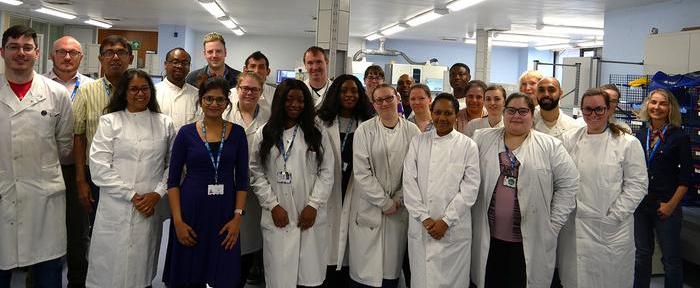
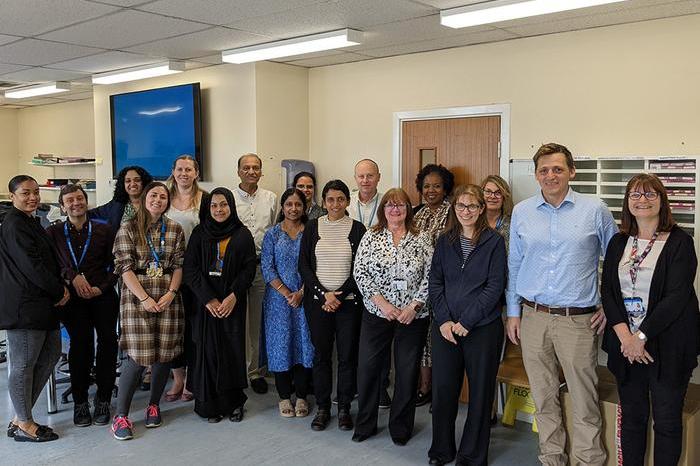
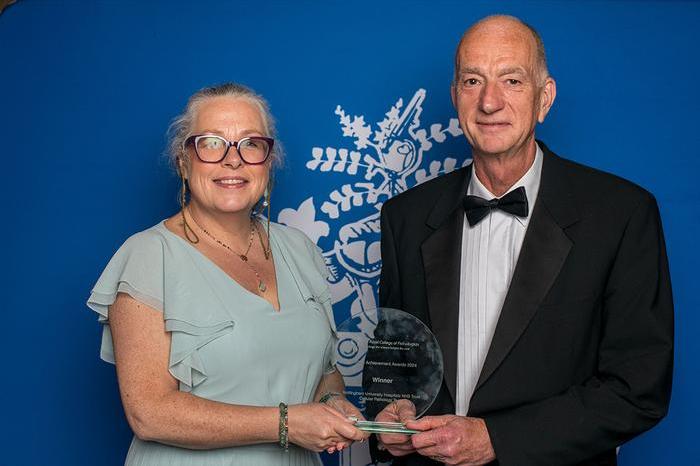
Ms Andrea Gooding and Dr David Clark.
Through the adoption of lean methodology and the pioneering implementation of digital pathology, Nottingham University Hospitals NHS Trust Cellular Pathology Team have revolutionised service delivery, transforming the entire diagnostic pathway of a large acute teaching hospital. With the successful scanning of 100% of cases and over 95% of consultants reporting digitally, they have emerged as a leading trust in digital pathology implementation.
They have also embraced innovation through implementation of AI-driven decision support tools, enhancing diagnostic accuracy and patient case outcomes.
This has resulted in significantly improved turnaround times for urgent cases, enabled collaborative working across site, improving patient care whilst setting a benchmark for excellence.
The team have worked closely with 21 other NHS trusts in the PathLAKE plus consortium and aspire to inspire other pathology departments, exemplifying the opportunities created by digital transformation and innovation to improve patient care.
Sustainability awards
Mediclinic Middle East Laboratories Management
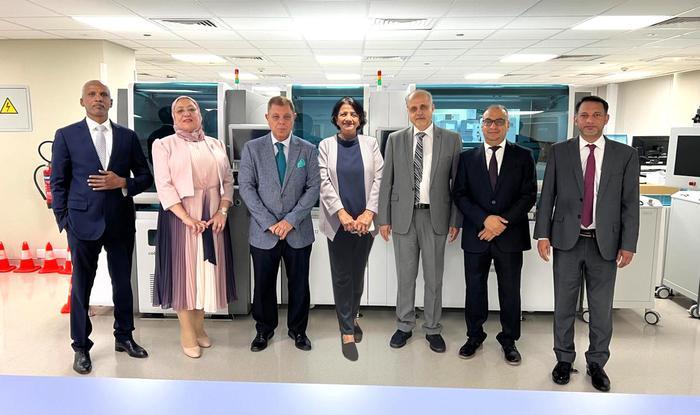
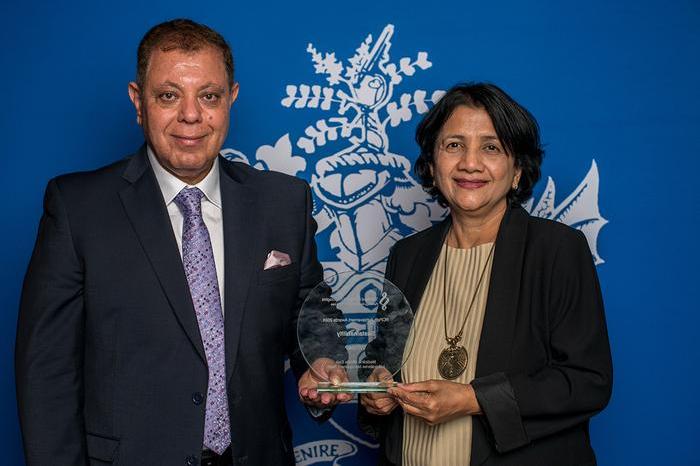
Prof Mahir Alhilaki and Dr Jyoti Shetye
Changes in the provision of healthcare is affected by advances in medical science and technology. The Mediclinic Middle East Laboratories Management Team has placed emphasis on key objectives for the clinical laboratory services namely to:
- ensure quality, improve efficiency and prove effectiveness
- respond to needs of clinicians and patients in ensuring accuracy and fast turnaround time for assays
- drive profitability through cost reduction and income generation
- achieve sustainability through the modernisation of processes through commissioning of modern and efficient analyzers.
The team has implemented a strategic plan through consolidation and central control to achieve these objectives. The plan included a drive to achieve sustainability through:
- driving down energy consumption through the reduction of the number of analyzers deployed leading to a lowering of over 53.6% in regent consumption and 61% reduction in reagents storage space. In addition to an over 57% reduction in consumption of water and electricity.
-
reduction in waste and heat emission through the deployment of efficient modern analyzers
-
resource optimisation of performance staff and technologies with a reduction in technical hand-on-time for analysis and reagents preparation to 55.9% and 56% respectively through automation.
Synnovis Transformation Team
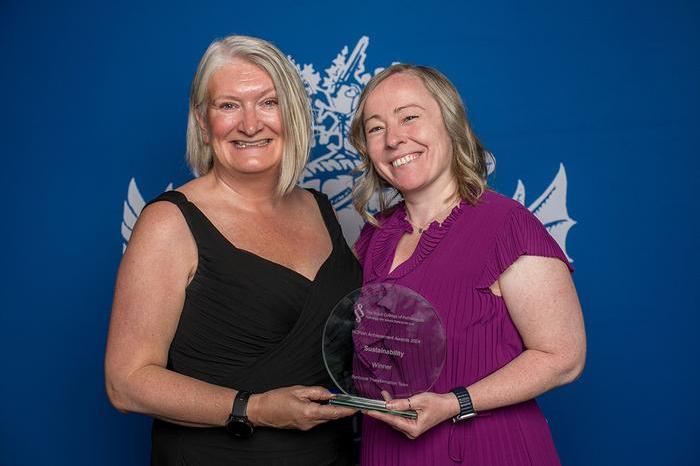
Ms Lucy Hind and Miss Leanne Hughes.
The Synnovis transformation team comprises scientists, project managers and NHS pathologists. Together, they have delivered a hub and spoke laboratory model improving the quality and consistency of pathology services for southeast London.
The new hub will deliver a net carbon saving of 180 tonnes CO2e per year and a further 250 tonnes will be saved from wider improvements in the network provision.
The hub laboratory meets the BREEAM (Building Research Establishment Environmental Assessment Method) excellent sustainability criteria and will be ranked among the top 10% of commercial buildings within the UK.
The contributing factors that have led to this achievement include: extensive recycling of materials during construction, reuse of materials wherever possible within the building and externally through donation to charitable organisations, minimising energy and water usage, encouraging healthy and sustainable travel and involving the local community in the project.
The wider network has also benefitted from the introduction of electric, temperature-controlled courier vehicles and the replacement of disposable plastic sample packaging.
Highly commended
Black Country Pathology Services Team
This team is one of two thriving Pathology Networks in England and has strategically integrated a sustainability agenda. Their hub-and-spoke design aligned clinical, financial and sustainability goals across a broad Integrated Care System (ICS) framework, encompassing over 400 GP practices and 4 acute trusts.
In partnership with Abbott, the team have implemented AlinIQ Preanalytics powered by Indexor. This pathology-led initiative involves the entire regional healthcare community, including clinical and phlebotomy teams in primary and secondary care.
In addition to significantly smoother and faster patient sample flow by tracking and auto-receipting, Indexor has significantly reduced their carbon footprint by eliminating single-use plastic bags from the process.
Based on processing 15,000 daily samples, the Indexor system is set to prevent 27.9 tonnes of plastic from entering the clinical waste stream, saving around 200 tonnes of carbon equivalent annually. It also improves patient care by reducing lost samples and cutting testing time by an average of 2–3 hrs from collection to booking. This solution has a positive financial impact, with annual savings of £50,000.
MSE Pathology IT Transformation Team
The MSE Digital Pathology Team has revolutionised IT across laboratories, GP practices, acute sites and community services, achieving in just over 2 years what typically takes 20 years. Their commendation by NHS England leaders highlights the national significance of their work.
Their commitment to innovation and collaboration is evident in their implementation of digital pathology solutions like Winpath Enterprise, Cerebro tracking systems and digital slide scanning technologies. These advancements have notably enhanced diagnostic efficiency and patient care, supporting the sustainability agenda by eliminating paper processes and enabling international collaboration.
The team's efforts have substantially improved service delivery, with digital technologies reducing turnaround times and setting the stage for future artificial intelligence applications.
PathWest Translational Research Group
In less than 10 years, the Western Australian state pathology service (PathWest), with the University of Western Australia, developed an accidental discovery in a basement lab into a working solution for rapid, antimicrobial susceptibility testing directly from blood cultures. This journey has attracted research funding required for translation into practice, raised a biotech spin out and developed machine learning applications for accelerated blood culture processing. The most recent clinical laboratory feasibility of the team's flow cytometer-assisted antimicrobial susceptibility test (FAST) method show 94% accuracy, 35 hours faster than conventional susceptibility tests.
The team has demonstrated FAST feasibility in distant regional centres. As bloodstream infection (BSI) is a time-critical medical emergency, this development lays the foundation for better clinical outcomes in BSI. The technology used is a clinical microbiology application of acoustic flow cytometry applicable to all medically important bacteria and yeasts grown under laboratory conditions
Swansea microbiology medical student clinical apprenticeship team
The Public Health Wales Microbiology Team which serves Swansea Bay University Health Board has provided an annual clinical apprenticeship placement for all (156) second-year medical students since 2021. They offer a ‘bench-to-bedside’ experience, offering small-group laboratory-based teaching, which is integrated with microbiology and infectious diseases patient-facing activities.
Each student spends an entire week in microbiology and infectious diseases. Teaching is provided by microbiology consultants, specialist trainees, biomedical scientists, HSSTs, infection control nurses and antimicrobial pharmacists.
The placement is supported by Bug's Life podcasts, published on the Pathology Portal and created by trainees.
RCPath Achievement Award winners 2023
The RCPath Achievement Award winners exemplify excellence in pathology practice, education and training. Covering a range of pathology specialties, they demonstrate teamwork at its best, ultimately improving the care and treatment of patients.

The College President presented members from the winning teams with their awards at the College’s Annual Dinner on 22 June.
RCPath Achievement Awards
Black Country Pathology Services IT Team

Black Country Pathology Service IT Team – Dr Branko Perunovic and Mr Nick Fudger.
Modern IT infrastructure was vital to transforming the pathology services in the Black Country Integrated Care System. Since establishing the Black Country Pathology Service (BCPS) at the end of 2018, the Black Country Pathology Service IT team consolidated the cervical screening programme for West Midlands and regional cellular pathology and microbiology at the Hub. The team is finishing the consolidation of blood sciences in the Hub/ESL model, which is emerging as one of the most mature networks in England, with a projected saving of £60 million over the next 10 years.
The unsung heroes of this transformation is the BCPS team, now 24 members strong. It is fully embedded in the organisation and is essential for clinical service delivery. Despite the pandemic and recovery, they delivered successful large-scale IT implementation while effectively supporting the continuity of clinical services and regional COVID testing. The transformational portfolio includes procurement and implementation of a single LIMS for the region, its integration with the complex IT of 4 acute trusts and primary care, the first deployment of ICE8.3, integration of new technologies (microbiology automation, digital and computational pathology, automation and specialist equipment for all blood sciences), leveraging unified IT and clinical informatics, and designing and supporting value-added patient-centred developments.
Care Fertility
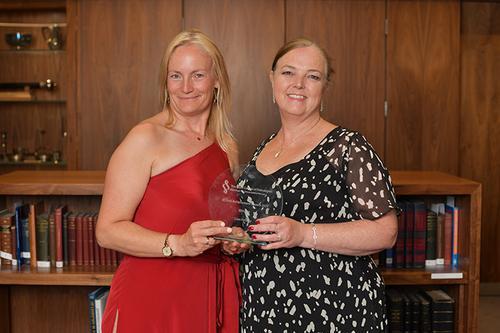
A team of IVF scientists (embryologists) at Care Fertility have undertaken extensive research for over a decade to improve the accuracy of embryo selection. Recent research from the team highlighted how they do not always agree on which IVF embryo to select for treatment.
Together they collated almost half a billion images from 63,000 human embryos in vitro. They used their time-lapse incubators to train and validate a machine learning model to assess embryos in near real-time from fertilisation to the point of embryo transfer, accurately and automatically.
Accuracy was assessed using previously unseen embryos by comparing the results of the machine-learning model with human assessments. This research was selected and presented at the European Society conference by a fellow of the Royal College of Pathologists.
The efficacy and comparability of the model to automate reliable, utilisable information was demonstrated by comparison with manual assessment data and the model’s ability to generate data to predict birth. Birth-predictive capability was measured and benchmarked against manual methods and known outcomes.
This technological innovation is accurate, reproducible, quick, safe and non-invasive. It is now being used clinically to improve embryo selection, predict IVF outcomes and improve efficiency across 14 UK IVF laboratories.
The Clinical Haematology Team at the Royal Oldham Hospital

Clinical Haematology Team at the Royal Oldham Hospital – Dr Satarupa Choudhuri and Jane Bird.
The haematology department at the Royal Oldham Hospital has pioneered an at-home chemotherapy treatment model under the leadership of Dr Satarupa Choudhuri, which has been recognised by the National Health Service Journal and the Macmillan excellence award. The team introduced a first of its kind quality marked service where the Macmillan nursing team, following a holistic needs assessment, administers the chemotherapeutic drug azacitidine (a subcutaneous injection for treating myeloid malignancies) in patients’ homes, enabling a safe and sustainable service.
Prior to this new treatment model, patients who were mostly elderly had to visit the extremely busy unit, making an average of 100 hospital visits depending on the duration of the disease response. Adding to the stress of an incurable malignancy with pre-existent comorbidities was the confusion associated with a complex treatment regimen resulting in several patients declining what is essentially their only option for life-prolonging treatment, with those continuing to experience a significant impairment to their quality of life.
Following its introduction, the service has reduced the number of hospital visits per month from about 10 to 2, saving approximately 540 minutes of chair time per treatment cycle, improving patients’ experience and keeping vulnerable patients safe in their own homes.
Department of Histopathology, Teaching Hospital, Anuradhapura, Sri Lanka

Department of Histopathology, Teaching Hospital, Anuradhapura, Sri Lanka – Dr Hiranya Tennekoon accepted the award on behalf of the team.
The Department of Histopathology, Teaching Hospital, Anuradhapura, started molecular testing of Her 2/Neu through the DISH method with the help of Mithuruwela Cancer Trust in late 2022 for the first time in Sri Lanka.
Prior to this, molecular testing was not available in the state sector in Sri Lanka and when it was necessary for equivocal cases on immunohistochemistry, patients had to get it done through the private sector, which was costly.
Therefore, at times, poorer patients did not receive standard treatments. Now people can receive this valuable test at no cost. The molecular testing facility has now been extended to the entire island and several patients have been referred from other provinces as well.
The Department of Histopathology, Teaching Hospital, Anuradhapura, is one of the busiest such units in Sri Lanka comprising 2 consultant histopathologists (a fellow and a diplomate of the College), 4 medical officers, 10 laboratory technicians and 5 laboratory assistants.
Starting a new service, especially molecular testing, in a time with many economic constraints is very challenging but due to the dedication of the team working together, it was successfully established to give a proper service to breast cancer patients.
NHS Lothian Medical Microbiology and Virology

In 2019, the Medical Microbiology and Virology team in Edinburgh (NHS Lothian) identified an improvement opportunity with the launch of Combined Infection Training (CIT).
A focused boot camp approach was trialled to teach laboratory skills. Based on initial feedback, the course was developed further with input from biomedical and clinical scientists, simulation specialists, university researchers and medical staff. This Simulation Bootcamp was launched in 2021 and follows the patient’s pathway from clinical presentation to clinical decision-making via laboratory diagnostics. The training engages infection trainees in multiple simulation group teaching activities that develop competencies in practice in laboratory medicine and clinical infection service delivery.
Consistent 5-star reviews by trainees and trainers are a testament to the Bootcamp’s success. In 2022, the training was endorsed by the Scottish Infection Training Committee, which recommended it be rolled out to all Scottish CIT trainees to bring together a sense of community, share resources and increase sustainability. The Bootcamp continues to provide a novel cutting-edge platform for infection medicine training in Scotland, embodying the College’s strategic aim to develop and maintain high standards of training.
Highly commended
Buku Medicine
Buku Medicine is a free liaison app to help reduce the workload on haematologists and other medical specialists by providing a concise and clinically relevant resource for referrers. The app was created 5 years ago by Alex Langridge, consultant haematologist, and has been developed by a management team alongside a team of specialist contributors.
The British Association of Gynaecological Pathologists (BAGP)
In 2020, cognisant of the difficulties in providing training during the COVID pandemic, the BAGP began free live interactive webinars in gynaecological pathology aimed primarily at UK trainees. To date, over 5,500 pathologists comprising trainees and consultants from across the world have benefited from the webinars. The webinars have provided accessible high-quality learning for a global audience and a free interactive platform for pathologists from under-resourced countries, enabling best practice in gynaecological pathology.
Cellular Pathology Lab Team
The Derbyshire Pathology Cellular Pathology Service experienced a sudden increase in histology demand of approximately 35% and the gynaecology cytology service saw a huge surge in demand post-covid lockdown occurring at the same time as the implementation of an entirely new Lab IT System. The Cellular Pathology leadership team undertook an evaluation of workflow to systematically identify constraints and bottlenecks. In collaboration with the lab teams, they developed a multi-strategy intervention that employed a combination of organisational change, implementation of new IT hardware, improved configuration of existing software and assignment of dedicated resources to lab staff training.
CRY Cardiovascular Pathology Team
This unit was set up in 2013 and deals with hearts from sudden cardiac death cases referred by pathologists from throughout the UK. The team accept and report on 500 hearts per year and issue a report for the coroner, referring pathologist and family within 2 weeks of referral. They have also developed a unique database that provides valuable results for the families, many publications and which has yielded new insights into sudden cardiac death which leads to therapeutic intervention and prevention in families who suffer such a traumatic event.
National Minimum Retesting Intervals in Pathology Project Team
Inappropriate laboratory testing has the potential to waste potential resources and affect patient care and safety. Minimum retesting intervals (MRI) are an example of a successful and sustainable demand management tool. Prior to 2010, there was limited evidence of using MRIs. In 2011, the ACB prepared a set of consensus/evidence-based recommendations. In 2015, these were expanded to include all pathology areas supported by the College. The recommendations have been translated into Turkish and Spanish to allow its adoption in more countries.
The Pathology Portal Team
In August 2022, the Pathology Portal was launched. It now has over 3,160 live modules, 30,000 launches and 90% 5-star ratings.
It includes:
- ‘case’ formats with clinical data – plates, films, whole slide images, molecular data, etc
- SCORM e-learning packages
- guidelines, web links and videos as sole items or in cases
- books and atlases
- single best answer and multiple choice questions, ‘match game’ and image zone formats
- feedback with text, images and videos
- formative and summative quizzes
- ‘back end’ functionality redesign for simple module upload
- record of modules completed for portfolio.
Sheffield Staff COVID Drive Thru Team
Sheffield Virology Service was one of the first NHS Laboratories to develop an in-house dual target SARS-CoV-2 assay (5 March 2020) in response to the pandemic.
Within a short timeframe, the team adopted a staff and patient testing program. This expanded to provide a 24/7 regional service including the design and development of a staff drive-through service.
Transplant Immunology
The Transplant Approach and Relative Opportunity Tool (TAROT) is a dynamic, risk-adjusted model for the progression of patients to renal transplantation. The tool has been developed by Transplant Immunology working in collaboration with clinical colleagues as the Complex Immunology MDT. The approach is applicable to all patients, from the least to the most problematic in terms of their immunological obstacles to transplant, and delivers equity and equality into the system by defining a process and treating all patients in the same way.
RCPath Achievement Award winners 2022
Excellence in pathology practice, education, training, and research advances critical knowledge and saves lives. To acknowledge the high standard of this work across the pathology community, the College launched the RCPath Achievement Awards 2022.
The awards complement our existing schemes that celebrate public engagement and research to deliver the best patient care.
With team members working across different trusts, disciplines, regions and countries – this year’s cohort of winners exemplify the power of local and international collaboration to empower the wider pathology community and beyond. Nominations were invited for teams and individuals, of all professional backgrounds and disciplines. The winners were presented their awards in person at the College President’s Annual Dinner 8 September 2022.
Centre for Diagnosis and Research in Cancer (CeDARC)
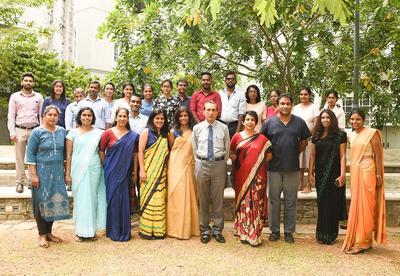
Lead: Chandu de Silva Team: Harshima Wijesinghe, Gayani Ranaweera, Dilani Lokuhetty, Priyani Amarathunga, Dinesha Jayasinghe, Lalindra Gooneratne, Manu Wimalachandra, Preethi Udagama, Tharanga Thoradeniya, Nirmala Sirisena, Vajira Dissanayake, Tharanga Dassanayake, Niranthi Perera, Ahlaya Sivashangar, Lalani De Silva and Chamali Baranasuriya.

Dr Lalani de Silva and Dr Dinesha Jayasinghe collecting the award on behalf of their team at the President's annual dinner.
CeDARC was established in January 2022 as a collaborative, multidisciplinary group led by a team of pathologists. In Sri Lanka, many histopathology laboratories are manned by a single pathologist, with no formal mechanism in place to refer challenging cases. CeDARC bridges this gap by providing a formal mechanism for pathologists across the country to refer complex cases at no additional cost to the patient. The Department of Pathology, Faculty of Medicine, Colombo, comprises seven histopathologists and three haematologists of who are fellows of RCPath. Being a university pathology unit, finding funding for equipment and consumables for clinical work and research has always been a challenge. Through CeDARC, the University of Colombo have secured funds to:
- procure much needed equipment
- set up an immunohistochemistry laboratory, with facilities for performing a wide range of tests, some of which are not available elsewhere in the country
- provide Sri Lankan histopathology trainees with improved training facilities, more exposure to clinical material to support their training and research and a learning environment that demonstrates best practices in pathology.
Derbyshire Shared Care Pathology

Dr Penny Blackwell and Ms Helen Seddon collecting the award on behalf of their team.
Improving patient care and safety has been at the forefront of The Derbyshire Shared Care Pathology team’s work to produce evidence-based, best practice guidelines. In 2011, Consultant Clinical Scientist Dr Nigel Lawson had the vision for bringing together local clinicians from primary and secondary care to collaborate with laboratory scientists. Over the years this has proven to be a successful means of listening to the needs of GPs and enabling the service to change in response. The team produce guidelines to enable a better understanding of diagnostics, requesting and interpretating test results.
Guidelines are designed to support effective patient management and help clinicians to get it right the first time. Easy to access online, the guidelines provide information on the immediate management of abnormal results and appropriate referral. They also act as a learning resource for CPD, containing a more detailed narrative behind the quick flowchart, for when a clinician has more time to invest in understanding the science and medicine behind the diagnostic. With more than 50 guidelines that are used and valued by both local and national clinicians (and also in the national GP update courses), this work is testament to the team’s culture of being clinician-facing and providing much more than a results service alone.
iHistopathology

Dr Omar Qassid and Dr Ahmed Nabil Ali collecting the award on behalf of their team.
Founders: Dr Omar Qassid (UK), Dr Ahmed Ali (UK) and Dr Maysa Al-Hussaini (Jordan). Team: Dr Fatima Al-Hashimi (Bahrain), Dr Eman Abdelzaher (Egypt) and Dr Rand Hawari (UK).
iHistopathology is a not-for-profit initiative that started in September 2020 to support pathologists in the Middle East and North African region by offering weekly virtual interactive teaching.
The iHistopathology Zoom platform and YouTube Channel offers a range of virtual lectures and case discussions in both English and Arabic, covering breast, liver, renal and urogenital pathology, neuropathology, and dermatopathology. The YouTube Channel has received 1000 subscribers and over 4000 watch hours, whilst their Facebook page – ‘Pathology in Arabic’ – supports more than 2000 members.
To enhance communication with all members, the team created a Telegram group and successfully delivered a virtual workshop on RCPath examination updates and two multidisciplinary workshops on breast and intra-ocular tumours.
'Through the iHistopathology team's commitment, dedication, and diversity, we are making strides in bridging the gap between well and less resourced countries for a safer and up-to-date histopathology practice to benefit all patients', explains Dr Omar Qassid.
The UK Expert Haematology Panel on VITT
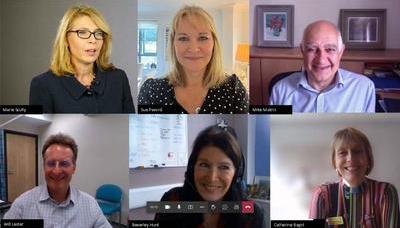
Lead: Sue Pavord, Oxford University Hospitals. NHSFT team: Will Lester, Marie Scully, Beverley Hunt, Mike Makris and Catherine Bagot.
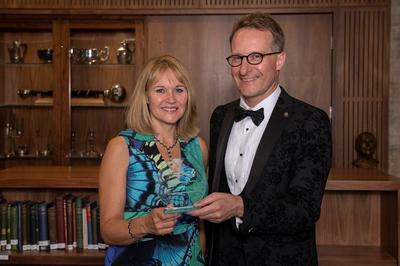
Dr Sue Pavord and Dr Will Lester collecting the award on behalf of their team.
The Expert Haematology Panel (EHP) were pivotal in describing the new condition vaccine-induced immune thrombocytopenia and thrombosis (VITT), improving survival of patients and preventing further cases, enabling the COVID-19 vaccine programme to continue safely.
The EHP formed within 3 days of its recognition and led virtual, multidisciplinary, clinical meetings, seven days a week, to discuss UK COVID-19 cases, share knowledge and support clinicians. The panel produced living guidance informed by these meetings, defining the clinical and laboratory features, diagnostic criteria and optimal management.
They worked with UK regulatory bodies, hospital trusts and primary care to raise awareness of VITT. They helped shape the public message whilst developing guidelines with the British Society of Emergency Medicine to ensure support for, and effective screening of, worried individuals, without inappropriately inundating healthcare resources; with the neurological societies to guarantee immediate care for affected individuals; and with NHSEngland to secure supplies of intravenous immunoglobulin for patients.
They also conducted interviews on television, radio and newspapers, with a careful balance so as not to jeopardise public confidence in the essential vaccination programme.
Highly commended
Cambridge Medical Microbiologists
The Cambridge Medical Microbiologists are achieving excellence in educating and training locally and beyond, from teaching undergraduate medical students through to Clinico-Pathological Conferences. Internationally, they work with Cambridge Global Health Partners looking at antimicrobial stewardship and infection prevention and control.
Clinical Microbiology Team: Significant Contribution to Specialty
The microbiology team at Aga Khan University, Pakistan ensures quality services in laboratory reporting, clinical care, infection control and advising on antimicrobial usage. The team has achieved excellent in multiple areas. This includes establishing a quality assured clinical microbiology service in Pakistan, to producing some of the earliest data on MTB drug resistance, prevalence and strain typing in Pakistan.
SHOT Haemovigilance Team
Now in its 25th year, the Serious Hazards of Transfusion (SHOT) team engages professional experts to analyse adverse advents of in blood transfusion across the UK. Team lead haematologist Shruthi Narayan has significantly improved the education output of SHOT, by way of introducing SHOT bites (infographics), videos, podcasts, webinars, and email banners.
The NHS Mycology Reference Centre Manchester Team
The NHS Mycology Reference Centre Manchester (MRCM) offers a wide range of highly specialised conventional and molecular mycological diagnostic services, supporting hospitals and patients throughout the UK. The major recent innovations include pyrosequencing for azole resistance from culture-negative but Aspergillus PCR positive samples, beta-D-glucan testing in antifungal stewardship, and establishment of the Mould Surveillance Service assessing houses, hospital environments and workplaces for moulds.
RCPath Achievement Award winners 2021
To celebrate excellence in pathology practice and promote high standards in pathology education, training and research to deliver the best patient care. The awards complement our existing schemes that celebrate public engagement and research.
Nominations were invited for teams and individuals, of all professional backgrounds and disciplines. The winners were presented their awards virtually as part of the College Council meeting on Thursday 18 November 2021.
This year’s Achievement Award winners exemplify the best of pathology practice through their work in furthering pathology education, improving patient safety and the innovation of new diagnostics and treatments - all for the benefit of patients. To achieve this throughout a global pandemic is truly inspiring. My congratulations to them all.
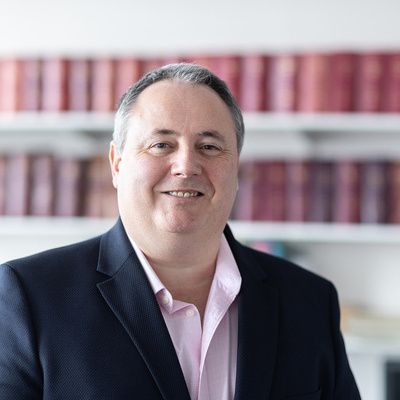
Patient safety
Dr Laura Green, Consultant in Haemostasis and Transfusion Medicine and Clinical Senior Lecturer
NHS Blood and Transplant, Barts Health NHS trust and Queen Mary University of London

Dr Green is the Chief Investigator of several national research and innovation projects in clinical transfusion, which have been delivering immense benefits to patients and the NHS. These include the development, testing and use of innovative blood products (like combined Red Cell & Plasma) for treating trauma patients in pre-hospital settings, streamlining logistics of administering blood at the scene and hastening transfer to hospitals. She has also led on national studies to improve the management of acquired bleeding disorders, such as those relating to cardiac surgery, obstetrics and anticoagulation therapy.
Dr Green's exemplary commitment to delivering clinical excellence in transfusion, combined with her vision and expertise in integrating research into clinical service, are the basis of her ability to drive change, such as developing a high-quality transfusion service at Barts Health Trust, reducing transfusion practice variability locally and nationally, and enabling optimal use of NHS resources. Her work has made a significant contribution to the standard of care for patients and healthcare organisations.
Innovation in Pathology Practice
Dr Maria O’Donovan Consultant Histopathologist Cambridge University Hospital

Maria is a co-inventor of the CytospongeTM , “pill on a string”; a mesh sponge that retrieves cells from the oesophagus. This safe, 10 minute, nurse administered test allows the early detection of Barrett’s oesophagus, dysplasia and oesophageal cancers, targeting patients with reflux symptoms or in the surveillance of known Barrett’s.
Maria was the lead pathologist for all development studies and clinical trails, covering over 4000 individuals over three continents. She optimised the diagnostic methodology, processing protocols for this novel sample type and helped establish a centralised digital laboratory service at Cyted LTD. She developed on-line pathologist training material, created standardised reports, and together with clinical colleagues, determined management recommendations, set up audit systems and is helping develop AI systems to aid reporting.
During the pandemic, with the massive reduction in endoscopy services, NHS England and Scotland have adopted CytospongeTM to triage patients requiring urgent endoscopy, with more than 3000 patients being tested in the past 12 months.
Contribution to education
Prof Shivayogi Bhusnurmath FRCPath, Co-Chair, Department of Pathology, St Georges University (SGU), Grenada
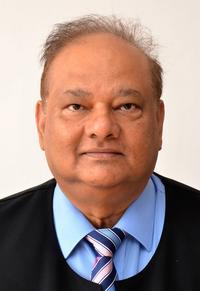
Professor Bhusnurmath has been actively involved in the enhancement of pathology education for medical undergraduates and postgraduate trainees in pathology across the globe for over 45 years. He has taught pathology in India, Africa, Middle East, UK, North America and Caribbean. He has revolutionised clinical problem based teaching of pathology to large classes of over 900 medical undergraduates. He has achieved this by extensive use of clinical vignettes in lectures, active learning by designing new learning platforms, use of audience polling systems in lectures, self-directed learning modules, concept maps and rubric for self-study of pathology images to develop hundreds of clinical vignettes in each course. He also introduced small group learning activities with learning objectives related to communication skills and professional behaviour.
The unique international clinical tutor teaching fellowship program that he initiated has benefitted over 300 international medical graduates to learn pathology. The interest he generates in pathology has resulted in over 20 graduates of SGU entering pathology residency programs in the US each year. He was also responsible for introducing the new pathology residency program in Muscat, Oman that was accredited by the Royal College of Pathologists.
Significant contribution to speciality
Dr Benjamin Brown; Clinical Scientist, Manchester Medical Microbiology Partnership, Manchester University NHS Foundation Trust
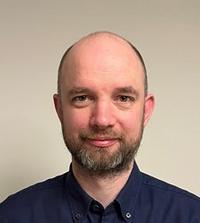
Dr Benjamin Brown
For several years Dr Brown has enthusiastically led and developed the Dried Blood Spot (DBS) testing service for blood borne viruses in Manchester which provides thousands of tests weekly to an extensive network of patients nationally and is a key part of the national Hepatis C elimination strategy. He provides outreach training to service users on DBS testing, including working closely with prisons and drug and alcohol services. In 2014 he volunteered to support the PHE response to the Ebola Outbreak in West Africa, working in the laboratory in Sierra Leone.
During the COVID-19 pandemic he worked as a key member of the laboratory scientific team, developing and validating assays under tight deadlines, contributing to the high quality of diagnostic service that the laboratory provides to the region. In addition to this he was able to find time to work with national colleagues on the validation of DBS samples for the detection of SARS-CoV-2 antibodies using the Roche Elecsys assay and is currently leading on the establishment of a regional whole genome sequencing service for SARS-CoV-2 for the north west of England.
Lise Estcourt (Director Clinical Trials Unit), Dave Roberts (Medical Director for Pathology), Sheila MacLennan (Clinical Lead for Convalescent Plasma) and Heli Harvala (Consultant Virologist)
NHS Blood and Transplant, England
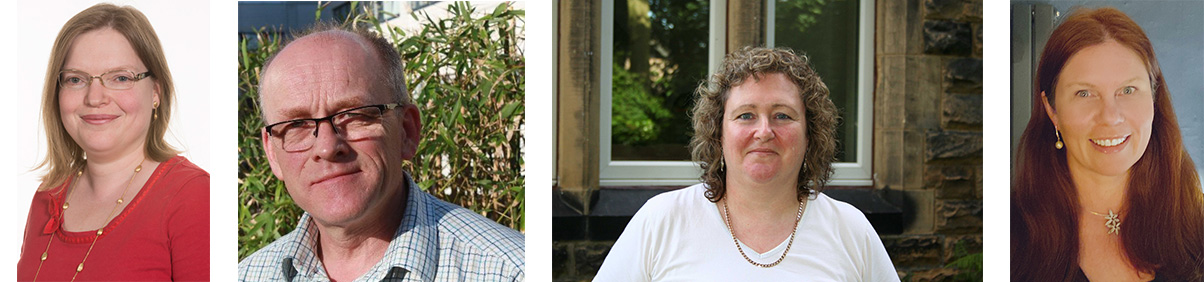
This team set up research to test COVID convalescent plasma (CCP) in two pivotal trials on RECOVERY and REMAP-CAP platforms. There was no pre-existing definitive evidence for convalescent plasma use.
Key achievements:
- assessed methods for antibody detection and correlated them with neutralising antibody levels
- established donor guidelines to ensure safety
- achieved £8m of national and EU funding
- developed trial sites in 160+ trusts, enrolled 16,000+ patients in trials
- demonstrated CCP did not transmit SARS-CoV-2
- established a biobank of trial samples used to show significant survival benefit in seronegative patients in RECOVERY monoclonal antibody trial
- supplied NIBSC with banks of pre- and post-COVID plasma for national standards
- published systematic reviews of antibody-based therapies
Overall, the trials showed CCP did not improve outcomes, although there was a strong signal of efficacy in immunocompromised patients was seen, which will be tested in a REMAP-CAP trial extension. Overall, this work has shaped the use of antibody therapy in COVID-19.
The team has advanced knowledge worldwide in a pathology discipline with excellent research, developing guidance and educating through national media, webinars and lectures and influenced international healthcare policy and decision making.
RCPath Achievement Award winners 2020
To celebrate excellence in pathology practice and promote high standards in pathology education, training and research to deliver the best patient care, the College launched the RCPath Achievement Awards (formerly known as the RCPath Excellence Awards).
Nominations were invited for teams and individuals from all professional backgrounds and disciplines. The winners were announced at the College's virtual Council Meeting on 19 November 2020.
Congratulations to our amazing Achievement Award winners! It is fantastic to see such a range of pathology specialties represented. Their continued dedication, commitment and innovation to deliver the best patient care during the time of a global pandemic is a true inspiration.
– Professor Jo Martin

Contribution to education
Dr Christopher Smith Clinical Microbiology and Public Health Laboratory Addenbrooke's Hospital, Cambridge

Since COVID-19 began, virologist and Naked Scientist Dr Chris Smith has been a frequent presence on television and radio. On BBC Breakfast, the News Channel, Radio 4's PM and World Tonight programmes, and Jeremy Vine's Radio 2 and TV shows, Chris has spoken to millions. He has contributed clear, reassuring messages and advice about the pandemic and the effect it is having on people's lives.
Dr Michael Coutts,West Kent Gynaecological Oncology Centre, Maidstone and Tunbridge Wells NHS Trust Hospital, Kent

In response to a request from the International Cervical Cancer Prevention Association, Michael volunteered to visit Moldova and assess laboratory equipment and practices. He visited several clinical laboratories, discussed training needs and a training plan. Subsequently, two pathologists from Moldova were trained by him at Maidstone Hospital in Kent. He contributed to several training workshops held in Moldova for 15 Moldovan pathologists, made recommendations on laboratory service requirements, developed a curriculum and now provides ongoing online training.
Professor Ismail Matalk, Department of Pathology and Laboratory Medicine, Jordan University of Science and Technology

Professor Matalka has served as CEO of the KAUH, which is the main tertiary hospital in the North of Jordan and as the Dean of the School of Medicine in JUST, and the Vice Dean and Chair of Pathology and Laboratory Medicine for about 13 years. He is the Past President of the Arab Division of the International Academy of Pathology and the Jordanian Society of Pathologists. Since May 2015, he has been working as the International Advisor of the Royal College of Pathologists for the MENA region. He has been the Secretary of the Arab Board (AB) of Pathology and appointed as a member of the higher council of the AB. He served as Chairman of the Arab School of Pathology from 2007-2013.
Through the different positions held thus far, his contribution to promoting pathology has extended beyond his department and Jordan to the wider region.
Professor Simon Lawrence Priestnall, Dept Pathobiology & Population Sciences, The Royal Veterinary College, Hertfordshire

Simon’s commitment to training veterinary undergraduates, postgraduates and pathology colleagues, is evidenced by the scope of his pathology teaching, his postgraduate certificate in veterinary education and his contribution to the Cornell Leadership programme. He is resolute in his desire to encourage all, including school children and veterinarians, to consider pathology as a speciality. He has organised numerous conferences, and as a speaker at the British Society of Pathology, the Davis-Thompson Foundation (organising travel bursaries for trainees) and RCPath, Simon has demonstrated high standards in pathology education and training, supporting best patient care for animals.
Innovation in pathology practice
Dr Rebecca Cardigan and contingency blood components team, NHS Blood & Transplant

At the outset of the COVID-19 pandemic, one realistic scenario was that the number of blood donors could be severely reduced. Dr Cardigan convened a small national team of relevant clinical, scientific and blood chain supply experts to consider what further research and development activity could be done rapidly to provide resilience should demand for blood outstrip supply.
From a long list, two options were prioritised for development. Firstly, to explore the clinical safety and impact of a temporary extension of the shelf life of red cells from 35 to 42 days. Secondly, to provide platelet concentrates comprising a reduced dose of platelets. Dr Cardigan’s team in the Component Development Laboratory modelled and validated these by laboratory studies. The data was swiftly used to produce new temporary specifications for blood that could be safely used as a contingency in the UK should the need arise. Thankfully, throughout COVID NHSBT has been able to maintain supply of blood to hospitals and these measures remain as a reserve option.
Dr Bernie Croal and the Scottish National Demand Optimisation Group, Aberdeen

The group chaired by Dr Croal, has developed many innovative practices and services. The programme has coordinated a national approach to demand optimisation, bringing together many examples of novel quality improvement initiatives, facilitating wider implementation through the networks and Health Boards. Linking in with primary care, the program has also developed a groundbreaking Online Interactive Atlas of Variation, which allows both laboratory services and GP practices (across the whole country) to follow trends in many common test requests and compare their use to peer groups and national levels.
Dr R Doffinger, Ms Sally Houghton, Dr Ania Mansson, Department of Clinical Biochemistry and Immunology, Addenbrooke's Hospital, Cambridge
During the pandemic, the Clinical Immunology Department maintained its routine diagnostic service, and, in addition, supported the pioneering investigation of the immunopathology of COVID-19 by supporting clinical research at Addenbrooke's and Papworth hospitals. It set up and implemented a SARS-CoV-2 serology from scratch and took the assay to inclusion in UKAS scope in September 2020.
In addition, they identified novel pathways of immunodeficiency and pathogenesis resulting in a national and internationally recognised service, and establishing an accredited diagnostic service to defects in the cytokine and innate immune pathways.
Dr Jenny McKay IDEXX UK Pathology Team, IDEXX Laboratories, Wetherby

The pathology team at IDEXX UK were the first diagnostic laboratory to implement digital pathology for all their diagnostic pathologists, giving their employees the flexibility of working remotely. The use of digitised cytology and histopathology images using the Philips pathology slide scanner has massively reduced turnaround time for samples, providing a pathology service to practising veterinarians that is second to none. The team work closely with their technical staff, ensuring the quality of the slides and images are excellent, allowing for accurate diagnoses leading to the best patient care.
Dr Joel Paul & Virology Team, Northern Care Alliance – Department of Microbiology, Royal Oldham Hospital

One of the key challenges faced by diagnostic virology in the peak of the first wave of COVID-19 in UK was a national shortage of PCR extraction kits and associated material. The virology department of Royal Oldham Hospital which is a pillar 1 lab for six acute NHS trust hospitals in Greater Manchester rapidly responded to this challenge by quickly developing, validating and implementing an extraction free PCR for SARS-CoV-2 using the existing PCR testing facilities. This was acknowledged regionally and nationally as a groundbreaking rapid response to a problem by deploying an innovative method to continue the COVID-19 PCR diagnosis of symptomatic patients and staff.
Patient safety
Dr Tina Dutt, Liverpool University Hospitals NHS Foundation Trust.

Dr Dutt is a role model in the field of haematology and an ambassador for the highest standards of patient care in rare diseases. She provides inspirational leadership for her team and a compassionate commitment to patient safety. This is evidenced by a culmination of landmark contributions at local and national levels. Dr Dutt has successfully embedded a patient safety culture within the management of patients with the critical, haematological condition thrombotic thrombocytopenic purpura, (TTP). She has championed the voices of patients and carers and received a ‘Patients' Choice’ Award voted for by patients.
Significant contribution to specialty
Cervical Screening London (CSL) team Health Services Laboratories, London

The team at Cervical Screening London (CSL) deserves to be recognised. Utilising local knowledge and experience from Australian colleagues, they have delivered a world-class cervical screening service to the women of London.
Working to incredibly tight deadlines, and cognisant of the importance of supporting individual staff, CSL successfully managed the complex amalgamation of ten existing screening sites, creating a consolidated HPV primary screening service in a new state-of-the-art laboratory.
Dr P Randell, clinical lead, Dr A Cox, scientific lead and Dr P Pantelidis, managerial lead - COVID-19 Diagnostic Testing Service, North West London Pathology Trust (NWLP), Charing Cross Hospital, London

Nominated for their outstanding achievements in establishing a comprehensive SARS CoV-2 PCR and serological diagnostic service. Our service drew on the talents within NWLP (virology, microbiology, immunology, H&I, point of care, quality management, information technology) to forge external collaborations with clinicians in our partner NHS Trusts and community care, and scientists at Imperial College London to provide a clinically responsive, high-quality diagnostic service for patients and healthcare staff. We have extremely positive feedback from our NHS services for our rapid response at short notice to test a large number of healthcare staff (up to 2,500 tests a day) early in the COVID-19 pandemic. (Dr Arthi Anand & Dr Panagiotis Pantelidis are not in this picture.)
Dr Brian Hanley, North West London Pathology, Cellular Pathology, Charing Cross Hospital, London

Dr Brian Hanley’s post-mortem examinations of COVID-19 patients illustrated the continued importance of autopsy in helping to understand the pathophysiology of COVID-19 and its complications, and in advancing patient monitoring and treatment.
Dr Hanley co-developed the College guidelines for COVID-19 autopsies; approached and obtained consent from families, helped carry out the autopsies and write up the findings, created a tissue bank-hosted subcollection of samples, established a network of; 20 research collaborators and coordinated sample distribution, gave numerous national and international presentations to disseminate his findings; and carried out his own tissue-based molecular investigations. His dedication to this vital work is truly extraordinary in a specialist trainee. He has demonstrated many skills, including sensitive interactions with bereaved families, excellent presentation skills, and post mortem and molecular analysis technical ability. The output of this hard work includes a priceless COVID-19 bio-bank and an impressive list of publications and invited talks.
Professor Cheng Hock-Toh, The Roald Dahl Haemostasis and Thrombosis Centre, Liverpool University Hospitals NHS Foundation Trust

Professor Cheng Hock-Toh visionary and multi-faceted skills have led to award-winning NHS service improvements, internationally leading translational research, creation of enterprise, educational excellence, mentoring impact and international professional leadership. In the last three years, he has been elected as President of the British Society for Haematology (BSH) and as Academic Vice-President of the Royal College of Physicians London (RCP) – the first BAME doctor to hold these elected positions. At the same time, he was also National Specialty Lead (Haematology) at the National Institute for Health Research (NIHR) and is now the Chair of the National Blood Transfusion Committee. Professor Toh’s impact has been felt by patients, trainees and peers across the UK and abroad.
Dr C Paul Johnson, Forensic Pathology Unit,The Royal Liverpool Hospital

Dr Johnson has been active on the College’s Specialty Advisory Committee in a number of roles, including chair, and chair of forensic pathology examiners. He has also been the lead for training in the College and led the development of the speciality’s current curriculum.
He has sat on the Forensic Pathology Specialist Group for a number of years, and he is noted to have contributed significantly to the current version of the Code of Practice for forensic pathologists held by the Forensic Science Regulator and co-badged by the College, as well as assisting the Home Office (and some overseas jurisdictions) on the suitability of applicants for registration as forensic pathologists. Locally, he is the program lead for forensic pathology trainees in Liverpool.